
Comprehensive Dental Examination
Including evaluation of enamel and gum health.

Small Changes Can Make a Beautiful Difference.
Chips, small gaps, uneven edges, and minor discoloration can affect the balance of your smile. Harbor Dental offers cosmetic dental bonding to reshape and restore visible teeth using tooth-colored material designed to blend naturally with your smile.
Dental bonding uses a tooth-colored composite resin applied directly to the tooth, then shaped, hardened, and polished to improve chips, gaps, uneven edges, discoloration, and other minor cosmetic concerns. One treatment can address several small issues at once — from minor cracks and short teeth to exposed root surfaces — though it works best for smaller changes; larger fractures, extensive decay, or significant bite concerns may need another treatment.

Often requires little or no removal of healthy enamel.
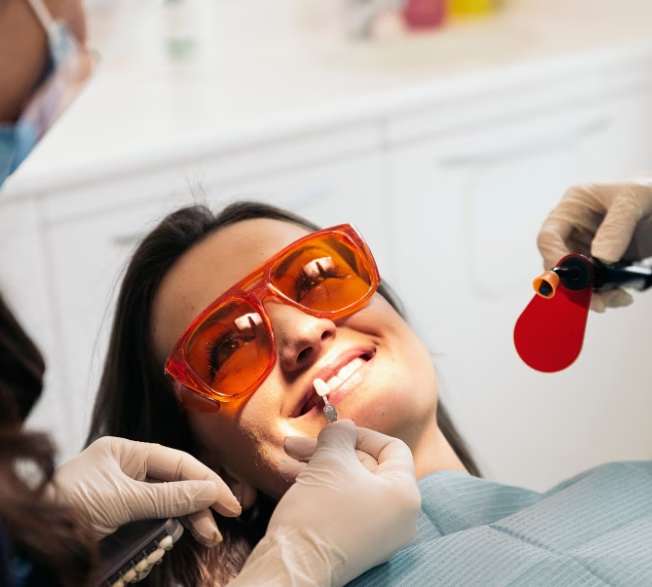
Composite material is selected to complement the color of your surrounding teeth.
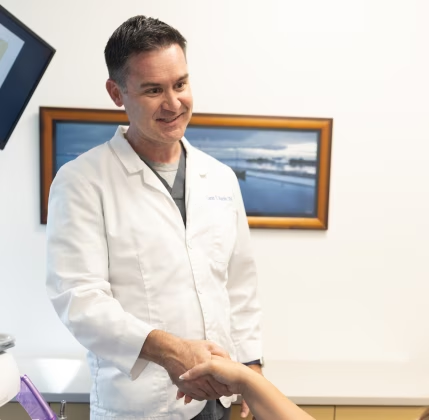
Many treatments can be completed during a single appointment.

Bonding may be the most conservative option, but your dentist will explain all appropriate alternatives before treatment.

Many treatments are completed in a single appointment — time depends on the number of teeth and the amount of reshaping needed.
The appropriate material and technique depend on the location of the tooth, the amount of damage, your bite, and your cosmetic goals.
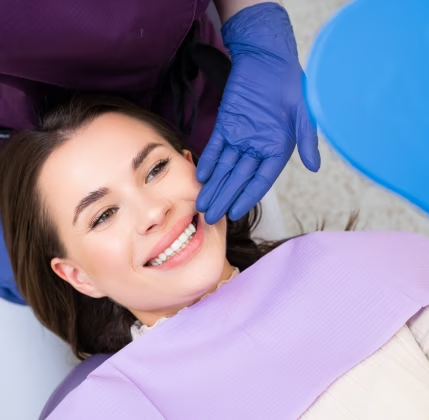
Composite resin is shaped to improve tooth color, length, contour, or symmetry.

Rebuilds a small damaged area to restore a smoother, more natural shape.
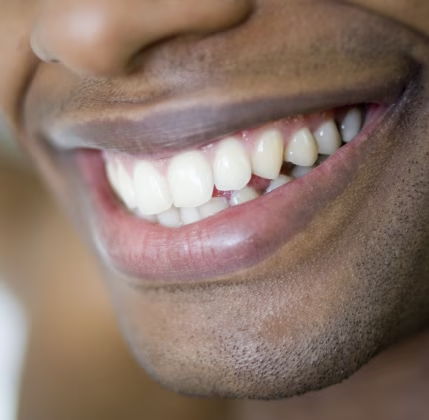
Tooth-colored material may cover exposed root surfaces or protect areas affected by minor enamel wear.
Note: A routine cleaning cannot replace periodontal treatment when deeper pockets, bone loss, or active disease are present.
Active decay, gum disease, major fractures, or heavy grinding may need to be addressed before bonding is completed.
You may be a candidate if you have:

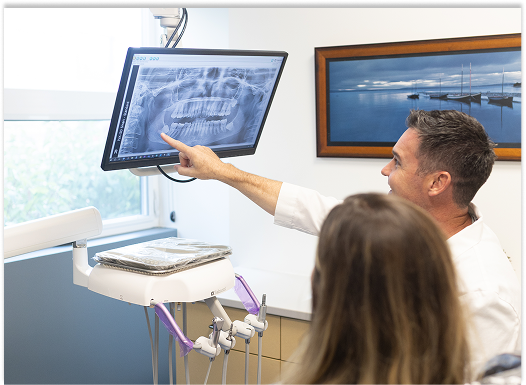
Grinding, clenching, nail biting, and chewing hard objects can place stress on composite bonding. Before treatment, your dentist may evaluate tooth wear, existing chips or fractures, bite relationships, and any previous night-guard use.
A custom night guard or occlusal guard may be recommended when grinding or clenching could place the bonding at risk.
The cost of bonding depends on the number of teeth treated, the size of each repair, and the complexity of shaping. Dental insurance may provide benefits when bonding repairs decay, damage, or exposed tooth structure, though purely cosmetic treatment may not be covered — our team can help estimate benefits based on the purpose of your treatment.
Brush twice daily with a soft-bristled toothbrush and floss carefully around bonded teeth, and keep up with routine cleanings and exams. Avoid biting ice, pens, or hard objects, and limit tobacco and heavily staining habits. Composite bonding may stain, wear, or chip over time, but many repairs can be completed without replacing the entire restoration — contact the office if it feels rough or loose.
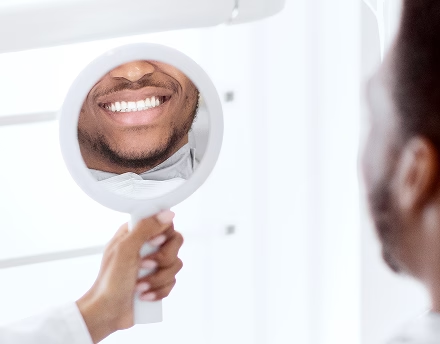
Modern dental care with a calm, transparent, family-first approach. Every detail is designed to help you feel confident, comfortable, and cared for.

Dental bonding uses tooth-colored composite resin to repair or reshape teeth affected by chips, gaps, discoloration, wear, or minor irregularities — including small chips, uneven edges, minor gaps, localized discoloration, exposed roots, and irregular tooth shapes.
Bonding is a long-term restoration but not considered permanent — it may eventually need polishing, repair, or replacement. Longevity depends on the location, bite pressure, oral habits, care, and whether you grind or clench.
Composite material can absorb stains over time, particularly from coffee, tea, wine, tobacco, and darkly pigmented foods. Whitening products brighten natural enamel but don’t change the shade of existing bonding.
Bonding usually requires little or no enamel removal, making it a relatively conservative treatment.
Treatment is generally comfortable, and local anesthetic is often unnecessary when limited to enamel. You may notice mild pressure or gum tenderness afterward — contact us if you experience persistent pain, a rough or sharp edge, or a bite that feels uneven.
Bonding may visually improve minor shape or spacing concerns, but Invisalign® or another orthodontic treatment may be more appropriate for significant misalignment.
Yes — bonding may chip under heavy pressure, grinding, trauma, or habits such as biting hard objects. A protective guard may be recommended if you grind or clench your teeth.
It can be, since it’s often conservative, repairable, and doesn’t require extensive tooth preparation — suitable for small chips, shape differences, or minor gaps. The right choice still depends on dental development, bite, and whether orthodontic care may be more appropriate.
Bonding often has a lower initial cost than porcelain veneers, but it may require more frequent maintenance or replacement over time.
Yes. Harbor Dental welcomes new cosmetic and restorative patients in Fort Collins. A consultation is required to determine whether bonding is appropriate.
Whether you want to repair a chip, close a small gap, smooth uneven edges, or improve the shape of a visible tooth, Harbor Dental can help you explore dental bonding designed around your smile.