
Comprehensive Dental Examination
Including a review of your pain and sensitivity symptoms.
Relieve the Pain. Preserve Your Natural Tooth.
Deep decay, cracks, trauma, or infection can damage the soft tissue inside a tooth and cause increasing pain or sensitivity. Harbor Dental provides careful root canal evaluations and treatment designed to remove infected tissue, seal the tooth, and help preserve your natural smile whenever possible.
Inside every tooth is soft tissue called the dental pulp, containing nerves, blood vessels, and connective tissue. Root canal treatment removes inflamed or infected pulp, cleans and disinfects the internal canals, and seals the space to help prevent reinfection and preserve the natural tooth — for reasons ranging from deep decay and cracks to trauma or a leaking restoration. A tooth may need treatment even when it isn’t currently painful; testing and imaging help determine whether the pulp is damaged.
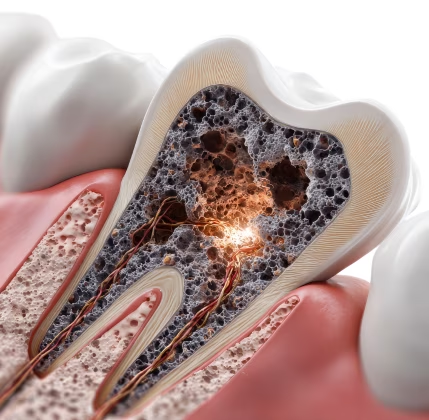
Treatment addresses damaged or infected pulp inside the tooth.

Removing the source of inflammation or infection may relieve persistent discomfort.
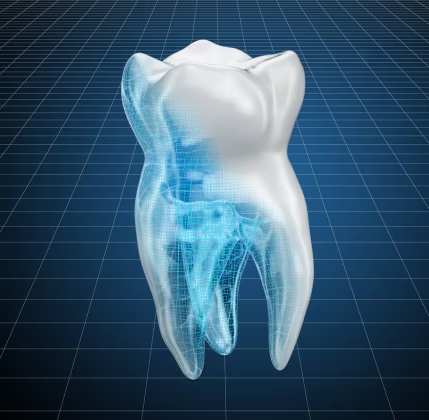
Saving the tooth may help maintain chewing function, appearance, and surrounding tooth alignment.
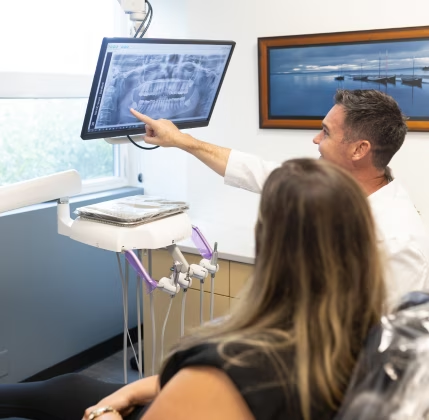
If another office has already recommended treatment, bring any available X-rays, records, and referral information.
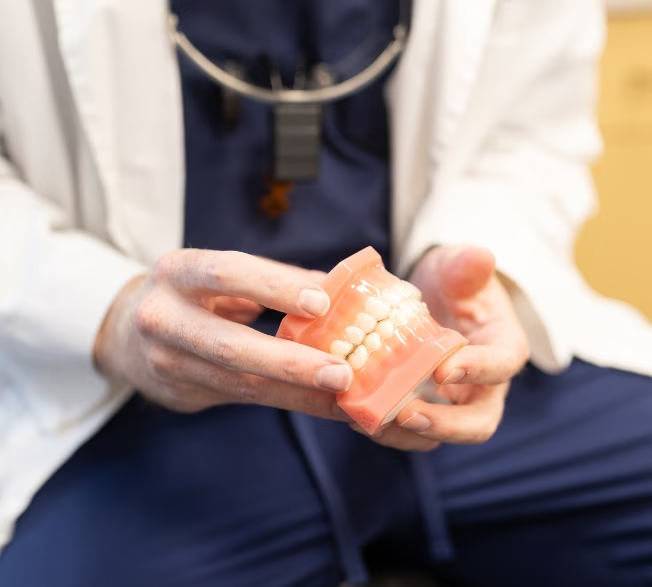
Treatment time and number of appointments depend on the tooth, canal anatomy, infection, and restorative needs.
The appropriate treatment depends on the tooth, infection, previous dental work, root anatomy, and long-term prognosis.
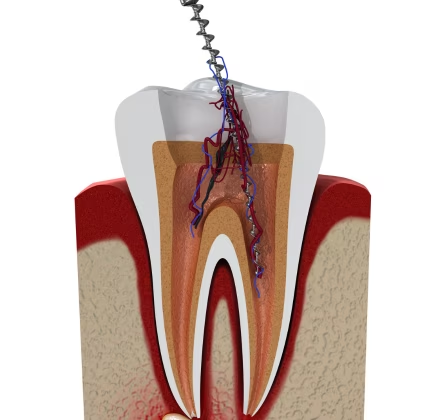
The infected or inflamed pulp is removed, the canals are cleaned and sealed, and the tooth is prepared for its final restoration.
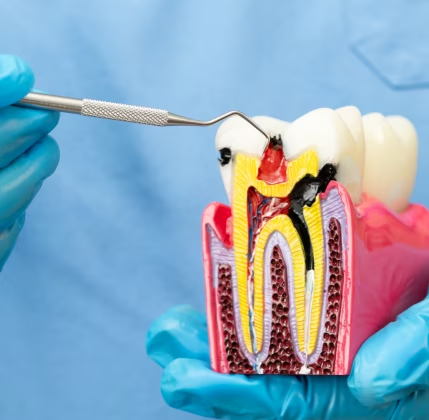
A previously treated tooth may need additional care if it doesn’t heal properly or develops new infection, pain, or disease later.

Complex anatomy, difficult retreatment, severe trauma, or persistent symptoms may require referral to an endodontist — a specialist in treating the tissues inside teeth.
Root canal treatment may be appropriate when the pulp is irreversibly inflamed, infected, or no longer healthy but the tooth can still be predictably restored. A tooth may need extraction instead when it’s severely fractured, lacks sufficient supporting structure, or cannot be predictably restored.
You may benefit from an evaluation if you:
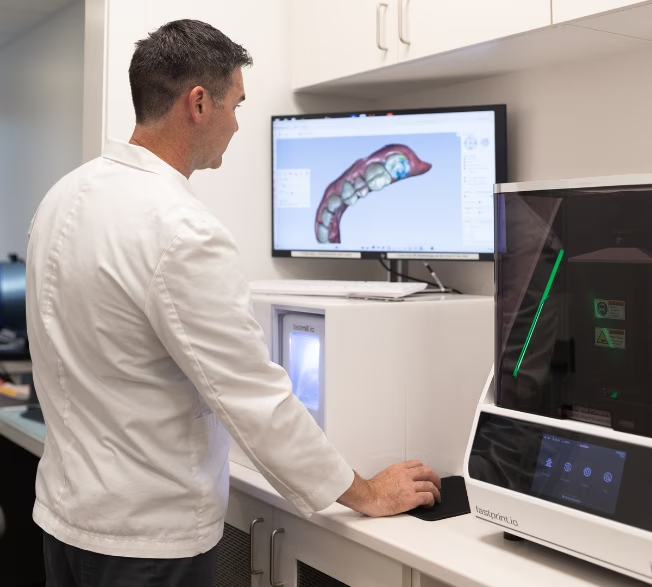
After the internal infection is treated, the remaining tooth still needs protection and functional restoration. Your dentist may consider the amount of remaining tooth structure, existing cracks or fillings, bite pressure, and grinding or clenching habits.
Back teeth frequently need a crown after root canal treatment because they absorb stronger chewing forces — the final recommendation depends on the individual tooth.
Pricing depends on the tooth, number and shape of the canals, infection, and the final restoration needed. Dental insurance often provides partial benefits for medically necessary root canal treatment, though deductibles, coverage percentages, and annual limits vary — our team can help estimate expected out-of-pocket costs.
Avoid chewing until numbness has worn off, and follow medication instructions carefully. Avoid heavy chewing on a temporary restoration and biting ice or hard objects, and attend your final restoration appointment promptly. A treated tooth can still develop decay, fracture, or gum problems, so daily care and a properly sealed final restoration remain important — contact the office if swelling or severe pain develops.
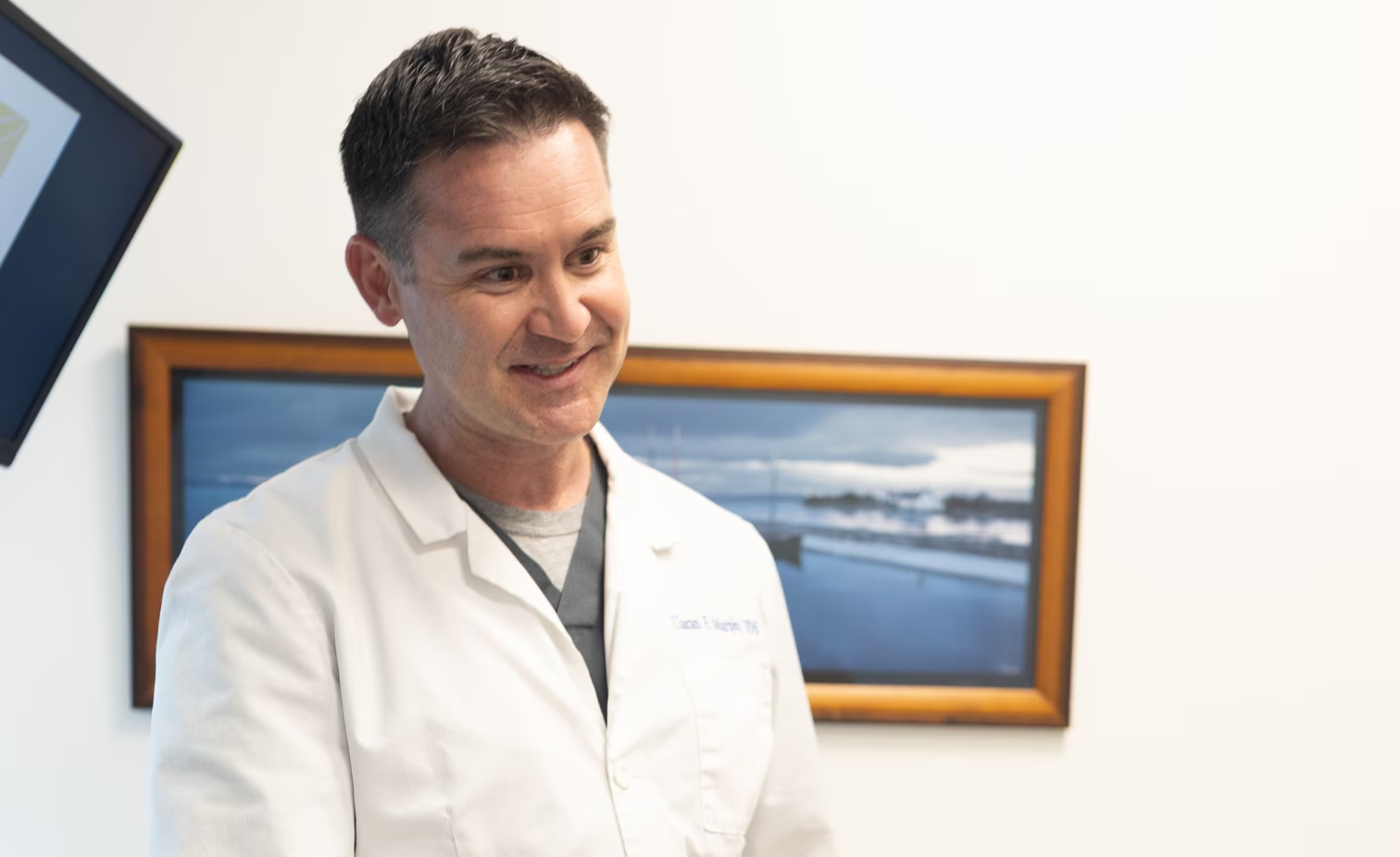
Modern dental care with a calm, transparent, family-first approach. Every detail is designed to help you feel confident, comfortable, and cared for.

A root canal removes inflamed or infected pulp from inside a tooth, then cleans, fills, and seals the canals. Yes — it’s designed to remove infection and preserve a tooth that can still be restored, rather than requiring extraction.
Possible signs include persistent pain, lingering sensitivity, pain when biting, swelling, discoloration, or a gum bump — though some teeth need treatment without causing any pain at all.
The tooth is numbed before treatment, which is intended to address the damaged or infected tissue that may be causing discomfort in the first place. Contact Harbor Dental if you experience severe pain or pressure lasting more than a few days, visible swelling, a rash or itching after medication, a bite that feels significantly uneven, or symptoms that return after treatment — these are among the reasons the American Association of Endodontists advises contacting your treating dentist.
Untreated infection can worsen, damage surrounding tissues, and eventually make the tooth impossible to save.
Antibiotics may sometimes help manage spreading infection, but they don’t remove damaged or infected pulp from inside the tooth.
A treated tooth may occasionally fail to heal or develop new infection, in which case retreatment or specialist care may preserve it. Neither root canal treatment nor extraction is always better — root canal may preserve a restorable tooth, while extraction may be appropriate when the tooth can’t be saved.
Yes — the external tooth structure can still develop decay, making brushing, flossing, and routine visits important. Longevity depends on the final restoration, tooth structure, oral hygiene, bite forces, and ongoing dental care.
An endodontist may be recommended for complex anatomy, retreatment, traumatic injuries, difficult diagnosis, or persistent symptoms.
It can be, when a permanent tooth develops deep decay, infection, or traumatic injury — including first permanent molars that erupt during childhood. The dentist considers the tooth’s root-development stage, restorability, and long-term developmental needs first.
Yes. Harbor Dental welcomes new patients in Fort Collins for tooth-pain and root-canal evaluations.
Whether you have persistent tooth pain, lingering sensitivity, swelling, or have been told you may need a root canal, Harbor Dental can help you understand your treatment options.