
Comprehensive Dental Examination
Including a review of pain and swelling you’ve noticed.
Remove the Problem. Protect the Rest of Your Smile.
A severely damaged, infected, or nonrestorable tooth can affect your comfort and the health of the surrounding area. Harbor Dental provides carefully planned tooth extractions with clear guidance, personalized comfort measures, and supportive aftercare from evaluation through recovery.
A tooth extraction is the removal of a tooth from its socket in the jaw — recommended when severe decay, infection, trauma, periodontal damage, or crowding makes preserving the tooth unpredictable or inappropriate. Extraction is generally considered only after your dentist evaluates whether a filling, crown, root canal, or periodontal treatment could save the tooth instead.

Removing a severely damaged or infected tooth may help address ongoing pain, swelling, or inflammation.
May help prevent disease or structural damage from affecting surrounding gums, bone, or neighboring teeth.

Extraction may be followed by healing, orthodontic care, or a personalized tooth-replacement plan.
Bring any recent X-rays, referral notes, medication lists, and information about previous treatment involving the affected tooth.
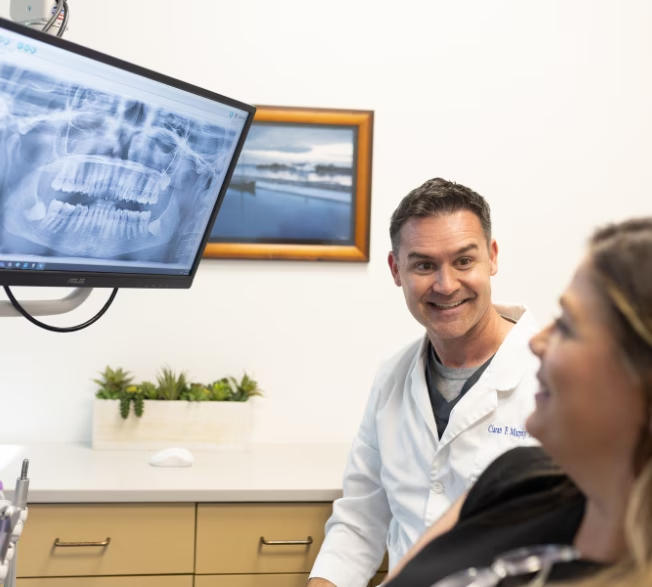
Procedure time and recovery vary according to the tooth, root shape, infection, and surgical complexity.
The recommended approach depends on the tooth’s position, root shape, surrounding bone, and nearby anatomy.
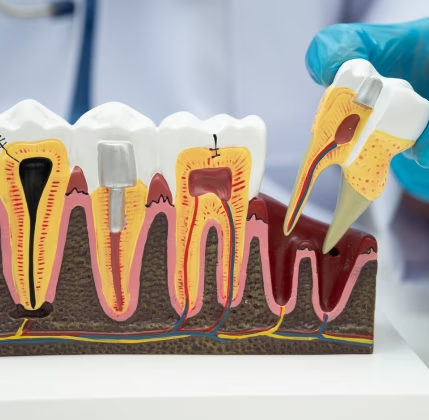
A tooth that has fully erupted and can be accessed above the gumline may sometimes be removed with a straightforward technique.
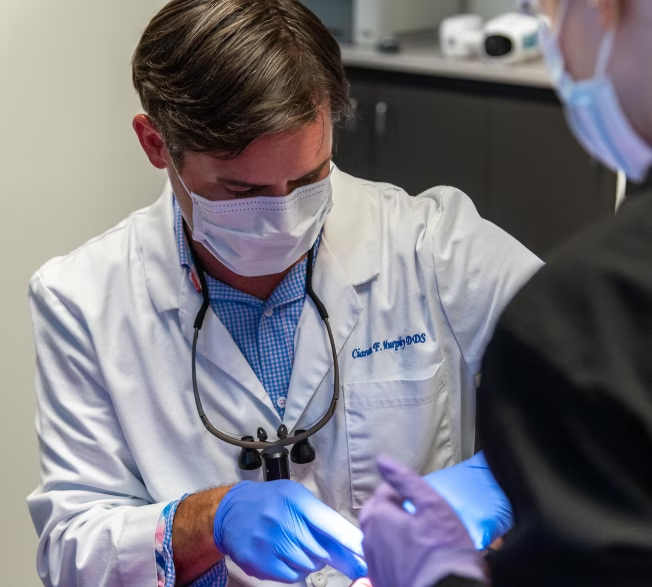
Complex anatomy, medical risks, advanced infection, or deeply impacted teeth may require coordinated care with an oral and maxillofacial surgeon.
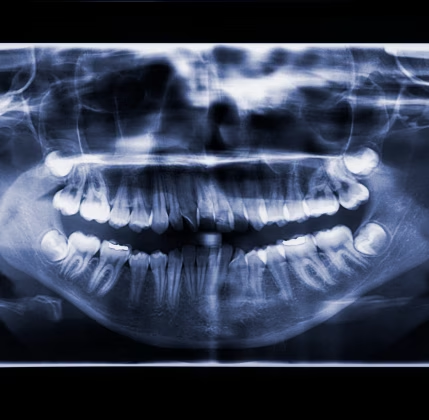
A broken, impacted, or difficult-to-access tooth may require a small incision, removal of surrounding bone, or sectioning of the tooth.
Extraction may be appropriate when the tooth cannot be repaired predictably or when keeping it creates greater risk to surrounding tissues. A tooth shouldn’t be removed solely because extraction seems faster or simpler when predictable tooth-preserving treatment remains available.
You may benefit from an evaluation if you:

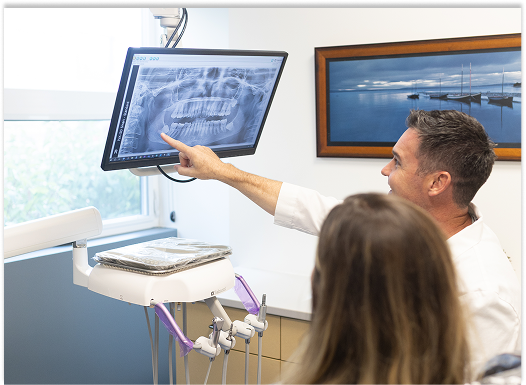
Removing the tooth is sometimes only the first step. After extraction, your dentist considers the condition of neighboring teeth, bite balance, appearance, and future restorative needs — including implant, bridge, or denture candidacy.
Not every extracted tooth needs replacement, but missing functional teeth may sometimes allow neighboring or opposing teeth to shift. The appropriate plan depends on your individual situation.
Pricing depends on the tooth’s location, degree of eruption, root anatomy, and procedure complexity. Dental insurance may provide partial benefits for qualifying extractions, though deductibles, annual maximums, and coverage percentages vary — our team can help estimate expected out-of-pocket costs.
Bite on gauze as instructed, rest during early recovery, and avoid rinsing, forceful spitting, or touching the site during the first 24 hours. Choose soft foods, avoid straws and smoking, and brush carefully around the area. Protecting the blood clot in the socket is important — disturbing it can delay healing and contribute to dry socket. A small amount of oozing is normal; contact the office if bleeding remains heavy or doesn’t improve with firm pressure.
Modern dental care with a calm, transparent, family-first approach. Every detail is designed to help you feel confident, comfortable, and cared for.

A tooth extraction is the removal of a tooth from its socket in the jaw, recommended for severe decay, infection, fracture, periodontal damage, trauma, or crowding. No — your dentist typically evaluates fillings, crowns, root canal treatment, or periodontal care first, before recommending removal.
A simple extraction usually involves a fully erupted tooth accessed above the gumline. A surgical extraction may require an incision or additional steps to access a broken or impacted tooth.
The area is numbed before treatment, and the goal is to prevent sharp pain during the procedure. Contact Harbor Dental if you experience difficulty breathing or swallowing, severe or rapidly increasing swelling, heavy or persistent bleeding, fever or signs of infection, pain that worsens after several days, or a rash or reaction after medication.
Initial soreness and swelling often improve over several days, though complete healing takes longer and varies by patient and procedure.
Soft foods that require minimal chewing are usually easier during early recovery — avoid foods that are very hot, sharp, hard, or likely to get trapped in the socket, and avoid straws, since suction can disturb the healing blood clot. Dry socket is a painful condition that can occur when that clot is lost or displaced, exposing underlying bone and nerves; avoiding smoking and not disturbing the site are the best ways to reduce the risk.
Return timing depends on the procedure, discomfort, and job demands. Strenuous activity may need to be limited during early recovery since it can increase bleeding, and whether you’ll need a ride home depends on the anesthesia or sedation used — this will be explained before treatment.
Not always. The need for replacement depends on the tooth’s location, function, bite, and appearance, along with how it may affect surrounding teeth.
Complex roots, impaction, medical risks, advanced infection, unusual anatomy, or sedation needs may require treatment by an oral surgeon.
Yes — for reasons like severe decay, infection, trauma, crowding, or orthodontic treatment. The dentist considers the tooth’s root-development stage and the position of any developing permanent tooth, since removing a baby tooth too early can sometimes affect space needed later.
Yes. Harbor Dental welcomes new patients in Fort Collins for tooth-extraction evaluations and treatment planning.
Whether you have a broken tooth, severe decay, persistent pain, or have been told a tooth may need removal, Harbor Dental can help you understand your options and next steps.