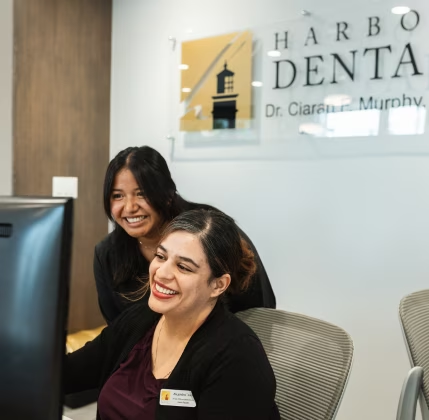

Evaluation and Conversation
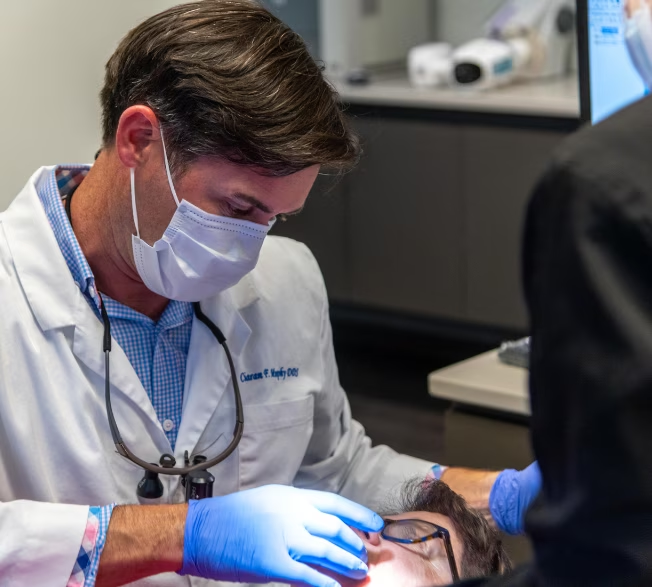
We discuss your symptoms, medical history, medications, previous dental experiences, and treatment concerns.
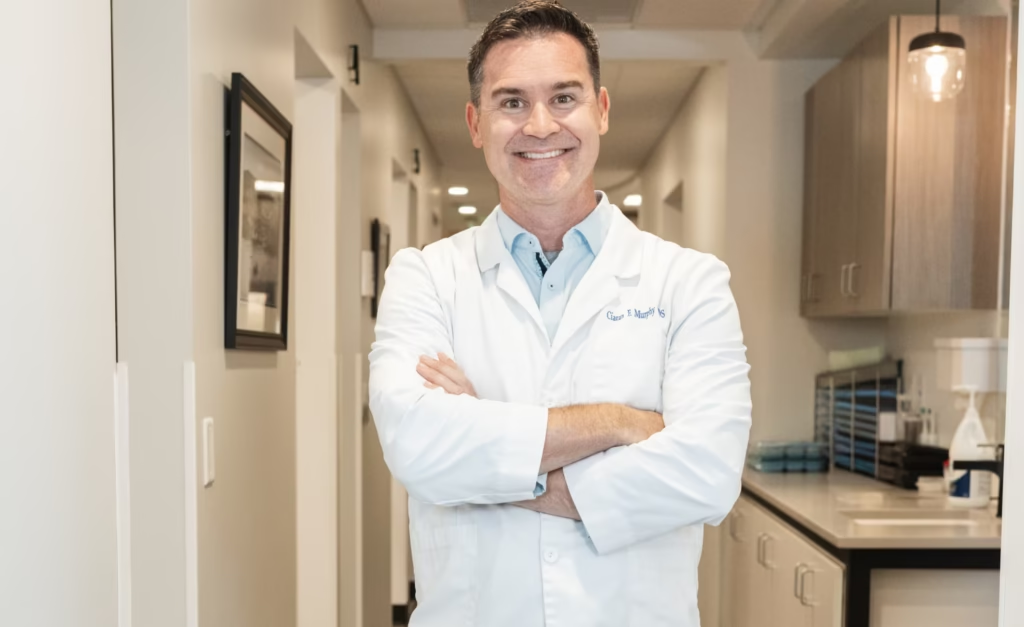
A damaged, infected, impacted, or problematic tooth can affect your comfort and oral health. At Harbor Dental, we provide carefully planned oral surgery services designed to address the concern, protect the surrounding tissues, and help you feel informed and supported throughout treatment.
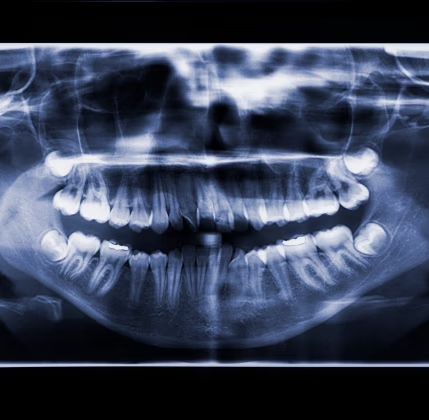
A tooth may need surgical care when it’s severely damaged, infected, impacted, crowded, or unable to be restored predictably. Tooth extraction removes a tooth from its socket and is generally considered when disease, injury, crowding, or another dental condition makes removal appropriate — wisdom teeth specifically may require removal when they cause pain, infection, decay, gum disease, cysts, or damage to neighboring teeth

Removing a severely damaged or infected tooth may help address the source of pain and inflammation.

Treatment can help prevent an impacted or diseased tooth from affecting surrounding teeth and tissues.

Extraction may be one step in orthodontic, restorative, or tooth-replacement treatment.


Contact Harbor Dental if you notice persistent tooth pain, swelling around a tooth or jaw, a severely broken tooth, pain near the back of the mouth, repeated wisdom-tooth infections, difficulty opening your mouth, bad taste or drainage, a loose adult tooth, pain when biting or chewing, a tooth that cannot be restored, or crowding related to tooth position.
Severe swelling, difficulty breathing or swallowing, uncontrolled bleeding, or rapidly worsening symptoms require urgent professional evaluation — don’t wait for a routine appointment.
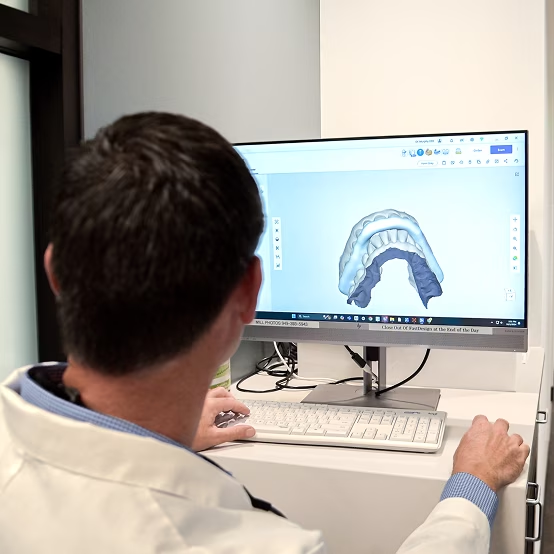

Removing a tooth may solve an immediate problem, but the long-term plan may also involve protecting neighboring teeth, maintaining chewing function, and considering tooth replacement when appropriate — through options like dental implants, bridges, dentures, or orthodontic treatment. Not every extracted tooth needs replacement, and the right option varies by patient.
The cost of oral surgery depends on the tooth’s position, procedure complexity, imaging needs, and whether specialist care is required. Dental insurance may provide benefits for qualifying extractions or wisdom-tooth treatment, though deductibles and coverage percentages vary — our team can help estimate expected out-of-pocket costs, and financing options are available for qualifying treatment.
Modern dental care with a calm, transparent, family-first approach. Every detail is designed to help you feel confident, comfortable, and cared for.

Oral surgery includes procedures involving the teeth, gums, jaw, or surrounding oral structures — at Harbor Dental, this includes wisdom teeth removal and tooth extractions. A tooth may require removal because of severe decay, infection, trauma, crowding, gum disease, or damage that can’t be predictably restored.
No. Wisdom teeth may be monitored when they’re healthy, properly positioned, functional, and easy to clean. Removal may be recommended when they cause or are associated with pain, infection, decay, cysts, gum disease, or damage to neighboring teeth.
The area is numbed before the procedure. Patients may feel pressure or movement, but the goal is to prevent sharp pain during treatment.
Procedure time depends on the tooth’s position, root shape, condition, and whether it’s fully erupted or impacted.
Some bleeding, swelling, tenderness, and soreness may occur temporarily as a blood clot forms in the socket and plays an important role in healing. Avoid straws and vigorous rinsing during early recovery, since disturbing that clot can lead to dry socket — a painful condition that exposes the underlying area. Stick to soft foods and liquids at first, and contact the office if pain becomes severe or worsens several days after treatment.
Recovery time varies based on the procedure, number of teeth removed, and individual healing. Whether you’ll need someone to drive you home depends on the anesthesia or sedation used — your dental team will explain transportation requirements beforehand.
That depends on the tooth’s location, bite, oral health, and long-term goals. Options may include an implant, bridge, denture, orthodontic space closure, or no replacement in selected cases.
Complex impactions, unusual anatomy, medical risks, advanced infection, or more involved surgical needs may require treatment by an oral and maxillofacial surgeon.
Yes. Harbor Dental welcomes new patients in Fort Collins for tooth-extraction and wisdom-teeth evaluations.
Whether you have painful wisdom teeth, a severely damaged tooth, or have been told you may need an extraction, Harbor Dental is ready to help you understand your options.