
Comprehensive Dental Examination
Including a review of pain or sensitivity you’ve noticed.

Repair Your Tooth. Keep Your Smile Looking Natural.
Cavities, small chips, and worn areas can weaken a tooth and affect its appearance, comfort, and function. Harbor Dental offers tooth-colored composite fillings designed to repair localized damage while blending naturally with the surrounding enamel.
Composite fillings are restorations made from a tooth-colored resin, placed directly into a prepared tooth, shaped, and hardened during the appointment. The material can be matched to your surrounding enamel — a discreet option for repairing cavities, chips, worn areas, dark or failing old fillings, and other localized damage. Composite is versatile, but it may not provide enough support for every tooth; larger fractures or extensive decay may need an inlay, onlay, or crown instead.

Composite resin is shade-matched to complement the surrounding enamel.
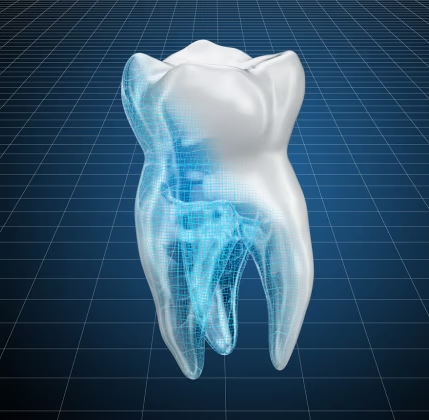
The material bonds directly to the tooth and may allow for a more conservative preparation.

A properly placed filling rebuilds the tooth so it can bite and chew comfortably.
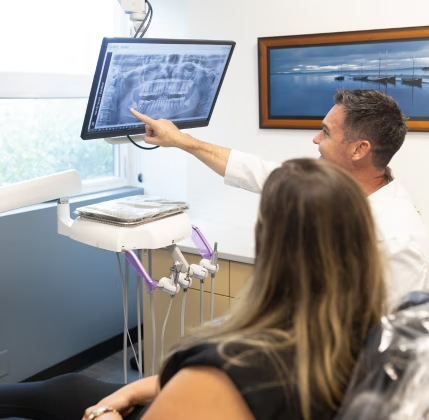
If another office recently diagnosed the cavity, bring any available X-rays or treatment records.

Appointment time varies based on the tooth, filling size, location, and number of areas being restored.
The right treatment depends on the tooth’s location, size of the damaged area, bite pressure, remaining structure, and long-term restorative needs.
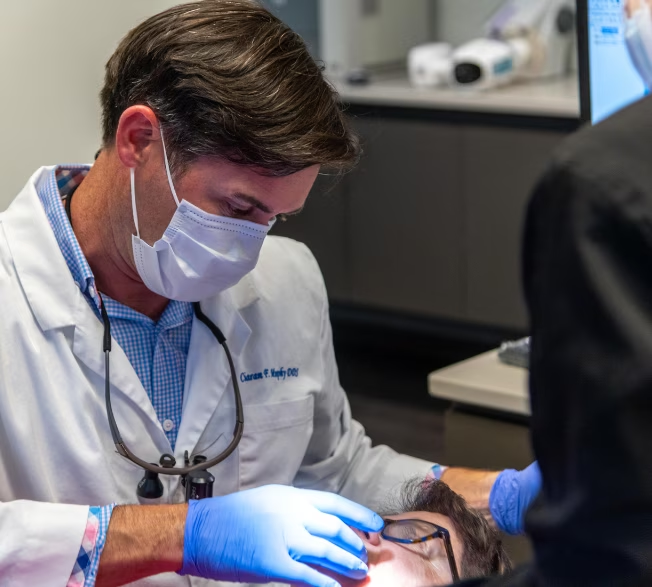
Composite resin replaces tooth structure removed during cavity treatment and restores the tooth’s shape and function.
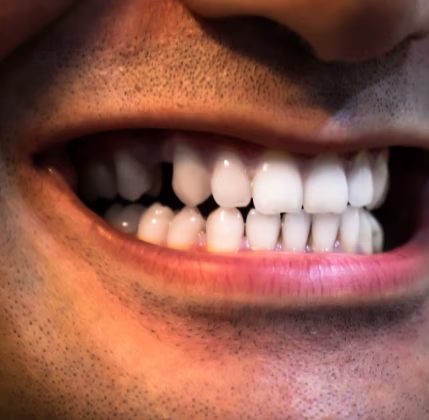
Rebuilds a small chip or fracture and creates a smoother, more natural contour.
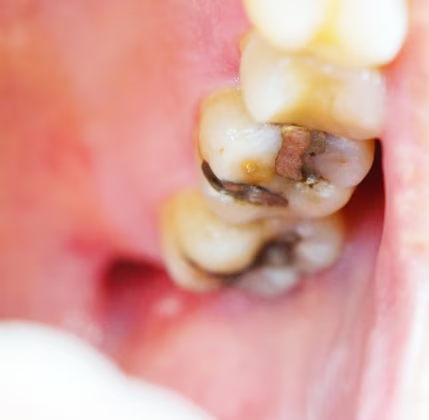
A failing, damaged, or visually noticeable restoration may be replaced with composite when the tooth remains suitable for a direct filling.
Composite fillings may be appropriate when a tooth has a small or moderate area of damage and enough healthy structure remains to support a direct restoration. A crown, inlay, or onlay may be more appropriate when the tooth has extensive decay, a large fracture, heavy bite pressure, or limited remaining structure.
You may benefit from an evaluation if you:

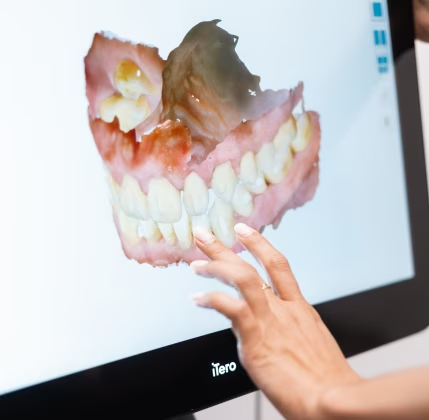
After the composite filling is placed, your dentist checks how the restored tooth contacts the opposing teeth. A restoration that’s too high may create pressure, soreness, or discomfort when biting, and grinding or clenching may place added force on the composite material.
Your dentist may consider tooth location, filling size, how the upper and lower teeth meet, and existing grinding or jaw tension. Contact Harbor Dental if the tooth continues to feel unusually high or uncomfortable after the numbness has completely worn off.
Pricing depends on the tooth, filling size, number of surfaces involved, and treatment complexity. Dental insurance often provides partial benefits for medically necessary fillings, though some plans may limit coverage based on the filling material or tooth location — our team can help estimate expected out-of-pocket costs.
Wait until numbness wears off before chewing, and follow any specific eating instructions from your dentist. Brush twice daily, floss carefully around the restored tooth, and avoid biting ice or hard objects. Composite fillings can stain, wear, chip, or develop decay around their edges over time, so routine dental visits help monitor their condition — don’t ignore new pain or sensitivity.

Modern dental care with a calm, transparent, family-first approach. Every detail is designed to help you feel confident, comfortable, and cared for.

A composite filling is a tooth-colored resin restoration used to repair cavities, chips, wear, or other localized tooth damage. It can be used on front or back teeth when appropriate for the amount of damage and expected bite pressure, and the material is shaped to blend with your surrounding enamel.
The area is generally numbed when needed. Patients may feel pressure or vibration, but the goal is to prevent sharp pain.
Temporary sensitivity is common after a filling. Contact the office if discomfort is severe, worsening, doesn’t gradually improve, or if the filling feels loose, uneven, or your bite feels significantly off.
Longevity depends on filling size, tooth location, oral hygiene, diet, bite pressure, grinding, and maintenance.
Composite material may gradually absorb stains, especially with frequent coffee, tea, wine, or tobacco exposure.
Yes. Composite restorations can chip, wear, loosen, or fracture because of decay, trauma, or strong bite forces.
Yes. New decay may develop around the edges of any filling if plaque accumulates or the restoration begins to fail.
Possibly — the dentist evaluates the tooth, remaining structure, and reason for replacement first. Neither material is best for every situation; the right choice depends on the tooth, filling size, appearance, bite pressure, and other health considerations.
Yes, composite can repair cavities or minor damage in both primary and permanent teeth. The dentist considers the child’s age, whether the tooth is primary or permanent, and the tooth’s expected lifespan before recommending treatment — treating cavities in baby teeth can also protect chewing, speech, and space for permanent teeth.
Yes. Harbor Dental welcomes new restorative patients in Fort Collins. An examination is required to determine whether composite is appropriate.
Whether you have a cavity, chipped tooth, failing restoration, or new sensitivity, Harbor Dental can help determine whether a tooth-colored composite filling is right for your smile.