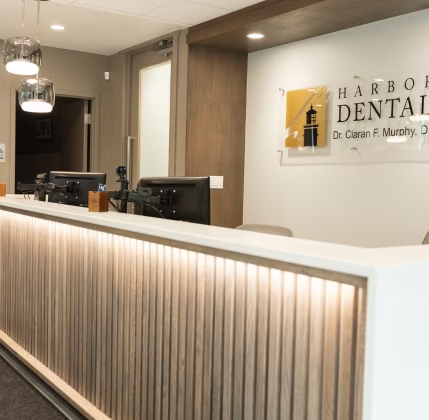

Comprehensive Orthodontic Screening
We evaluate your child’s bite, palate width, and dental development.

Widen the Palate. Make Room for Growing Smiles.
Some children need help creating room in a narrow upper jaw for permanent teeth to come in properly. Harbor Dental offers traditional fixed palatal expanders—a proven orthodontic treatment that gently widens the upper jaw while staying securely in place throughout treatment.
A traditional palatal expander is attached to the upper back teeth and applies gentle, controlled pressure to gradually widen the upper jaw. Because the appliance remains in place, families do not have to remember to insert it each day. Depending on the design, expansion may be activated at home with a small key or adjusted by the dental team. Early evaluation is important because certain bite and jaw-development concerns can be easier to address while a child is still growing.
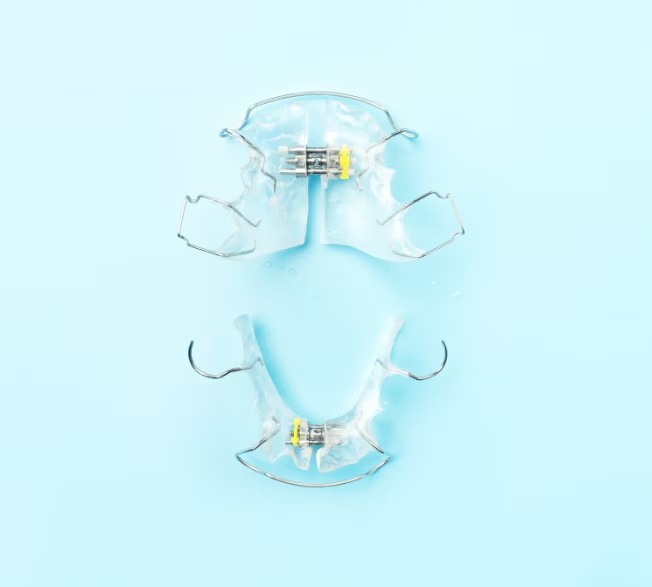
The expander stays securely in place and works according to the prescribed treatment plan.
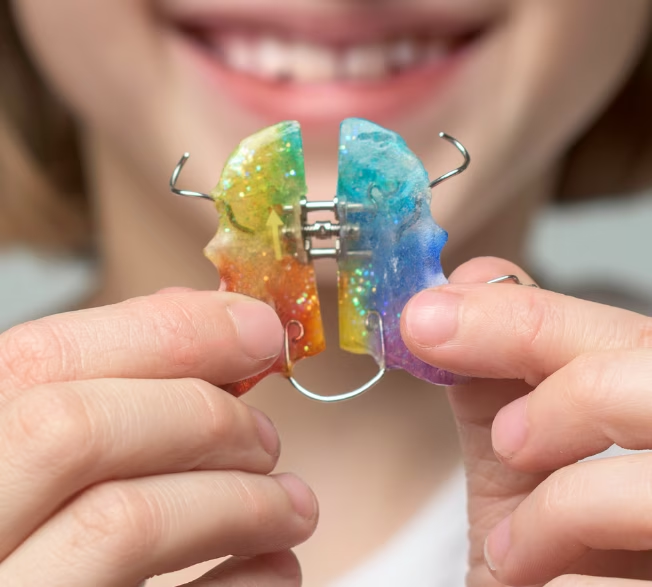
Fixed expanders have been used for decades to address narrow upper jaws, crossbites, and space concerns.
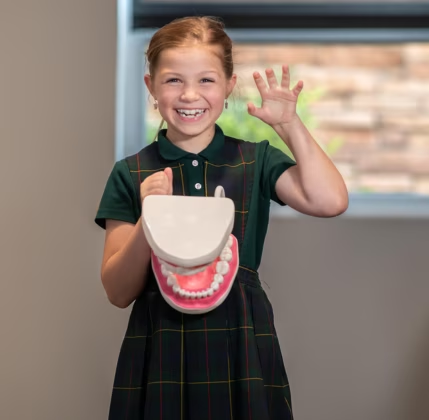
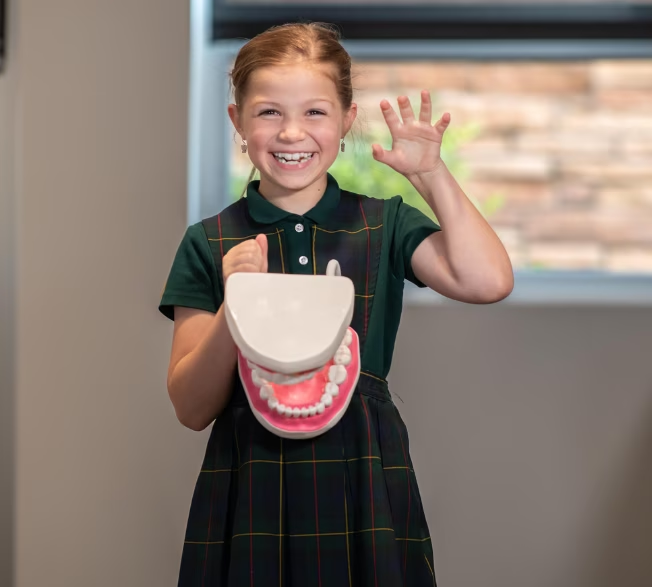
Each appliance is designed for your child’s mouth and securely attached to the upper back teeth.

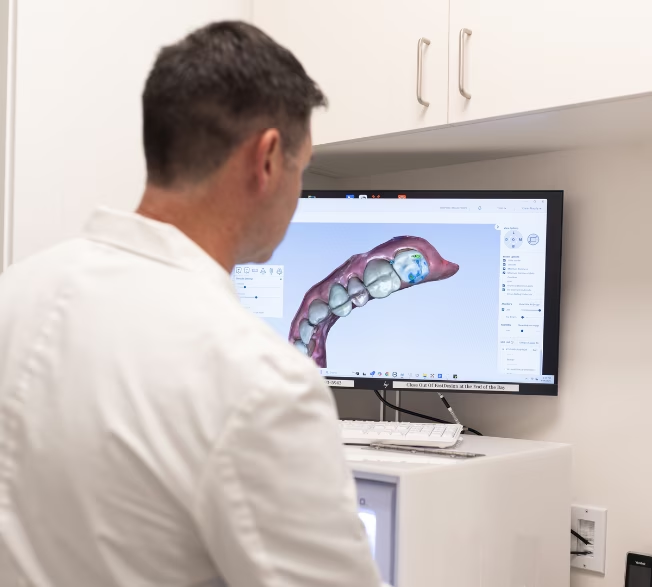

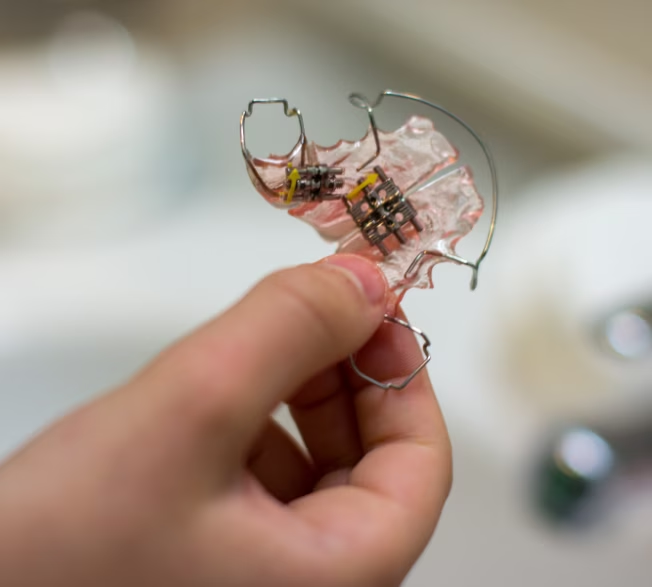
A custom orthodontic appliance secured to the upper back teeth and worn continuously throughout treatment. Depending on the design, a parent may turn a small central screw according to a prescribed schedule. Because the appliance cannot be removed, treatment does not depend on remembering to wear it.
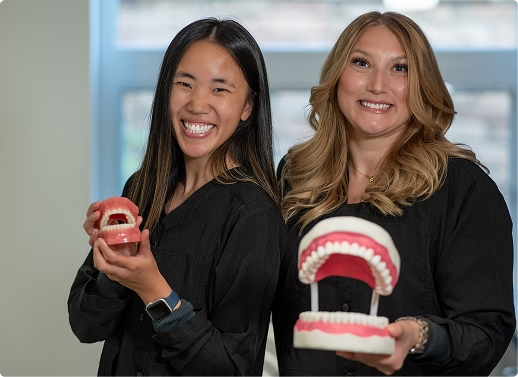
A series of custom, 3D-printed, removable expanders with no metal or screws to turn — designed to be just as effective as traditional expanders while offering more comfort and simpler oral hygiene.
Some orthodontic concerns are easier to address while a child’s jaw is still growing. The American Association of Orthodontists recommends that children receive their first orthodontic evaluation by age 7—even if they do not yet appear to need treatment.
Your child may benefit from an evaluation if they have:
A fixed palatal expander sits along the roof of the mouth and is supported by the upper back teeth. It applies gentle pressure to the two sides of the upper jaw, gradually increasing the width of the palate and creating more room in the dental arch.
Some fixed expanders include a small screw that is activated with a special key. If activation at home is prescribed, our team will provide a specific schedule and demonstrate how to complete each turn safely. Other fixed designs use springs or wires and do not require adjustments at home.
A temporary space may appear between the upper front teeth during expansion. This can be a normal sign that the appliance is working and can be addressed during the next stage of orthodontic treatment.
Pricing depends on the type of appliance, the amount of expansion needed, the length of treatment, and your child’s specific orthodontic plan. Insurance benefits, financing, and payment plan options may be available. Talk with our team about creating a plan that works for your family.
Because the expander stays in place, careful cleaning is especially important. Encourage your child to brush around the appliance, bands, and upper back teeth after meals. An interdental brush or water flosser may help remove food from hard-to-reach areas.
Avoid sticky, chewy, and hard foods that could loosen or damage the appliance. Do not allow your child to play with the expander using their tongue or fingers. Contact our office if the appliance feels loose, causes significant discomfort, or becomes damaged.
If your child’s expander requires activation, follow only the schedule provided by our team. Do not add extra turns or attempt to adjust the appliance without guidance.
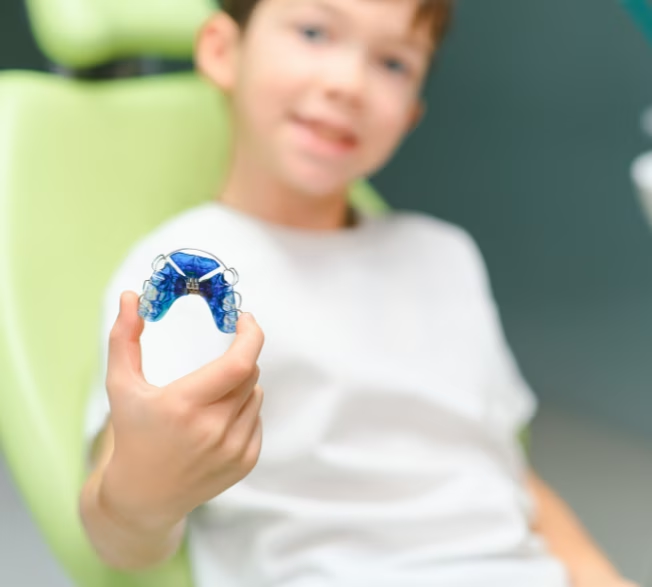

It is a custom orthodontic appliance attached to the upper back teeth. It gradually widens a narrow upper jaw to improve the bite or create more space for developing permanent teeth.
A fixed expander remains attached to the teeth throughout treatment, so your child does not have to remember to wear it. A removable appliance can be taken out but must be worn consistently to work as prescribed.
It depends on the appliance. Some fixed expanders have a central screw that a parent activates with a special key. Others use built-in springs or wires. If home activation is needed, we will provide clear instructions and a personalized schedule.
Your child may notice pressure, fullness, or mild tenderness after placement or activation. Temporary changes in speech and increased saliva are also common while the mouth adjusts. Severe or persistent pain should be reported to our office.
Palatal expansion is commonly performed while a child is still growing, but the ideal timing varies. We evaluate your child’s age, skeletal development, teeth, and bite before recommending treatment.
The timeline depends on your child’s age and the amount of expansion needed. Active expansion may occur over several weeks or months. The appliance usually remains in place afterward for a stabilization period.
Yes — the expanders are designed to be worn full-time, including while eating and drinking, and changed daily or every other day as prescribed, to keep treatment on track.
Coverage varies by insurance plan. Our team can help you review your benefits and discuss available financing or payment options.
The expander generally remains in place for a stabilization period so new bone can develop in the expanded area. After stabilization, your child may move to monitoring, braces, clear aligners, or another phase of treatment.
Yes. Harbor Dental welcomes new patients and families in Fort Collins for palatal expansion and early orthodontic consultations.
Modern dental care with a calm, transparent, family-first approach. Every detail is designed to help you feel confident, comfortable, and cared for.
Whether your child has been told they have a narrow palate, crowding, or you’re simply due for a first orthodontic screening, Harbor Dental can help you explore whether the Invisalign Palatal Expander is the right fit.