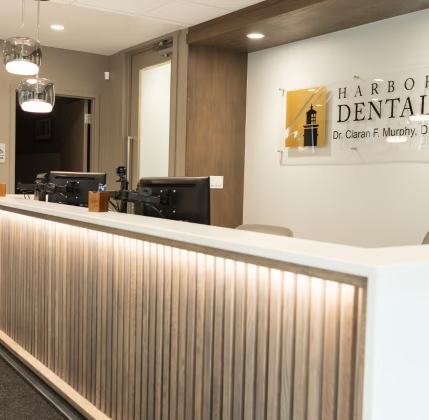

Periodontal Measurements
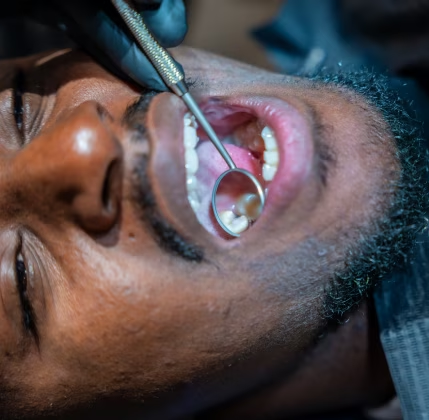
Your hygienist gently measures the spaces between your teeth and gums to identify deeper pockets and monitor changes.
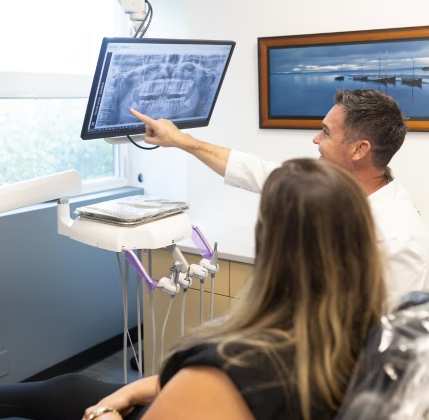
Healthier Gums. A Stronger Foundation.
Bleeding, swollen, or receding gums may be signs of periodontal disease — a condition that affects the tissues supporting your teeth. Harbor Dental provides thorough gum evaluations, nonsurgical periodontal treatment, and personalized maintenance care to help control disease and protect your smile over time.
Periodontal disease is an infection and inflammatory condition affecting the gums and tissues that support the teeth. It often begins when plaque collects around the gumline — if it isn’t removed, it can harden into tartar and lead to inflammation, deeper spaces between the teeth and gums, and eventual loss of supporting tissue and bone.
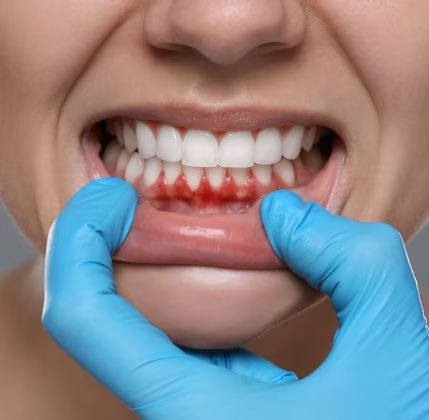
The earliest stage of gum disease may cause redness, swelling, or bleeding. At this stage, permanent bone loss has not occurred.
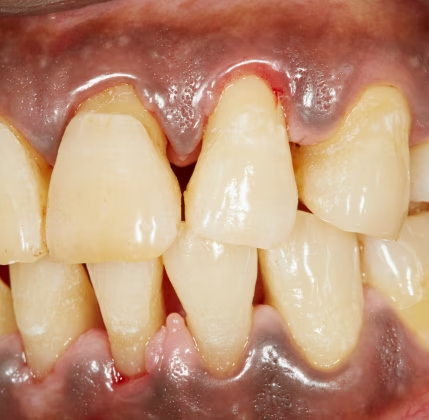
When gum disease progresses below the gumline, it can damage the bone and tissues that hold the teeth in place.
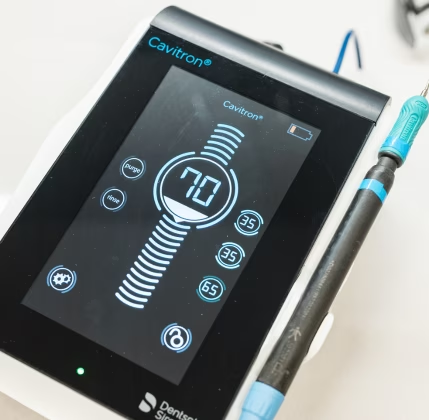
After active treatment, ongoing maintenance may be needed to control buildup, monitor gum health, and reduce the risk of progression.

Every appointment is personalized. Treatment recommendations are based on your measurements, symptoms, imaging, dental history, and overall health.


Not all dental cleanings are the same. Your dentist and hygienist will recommend the appropriate care based on your current gum health.
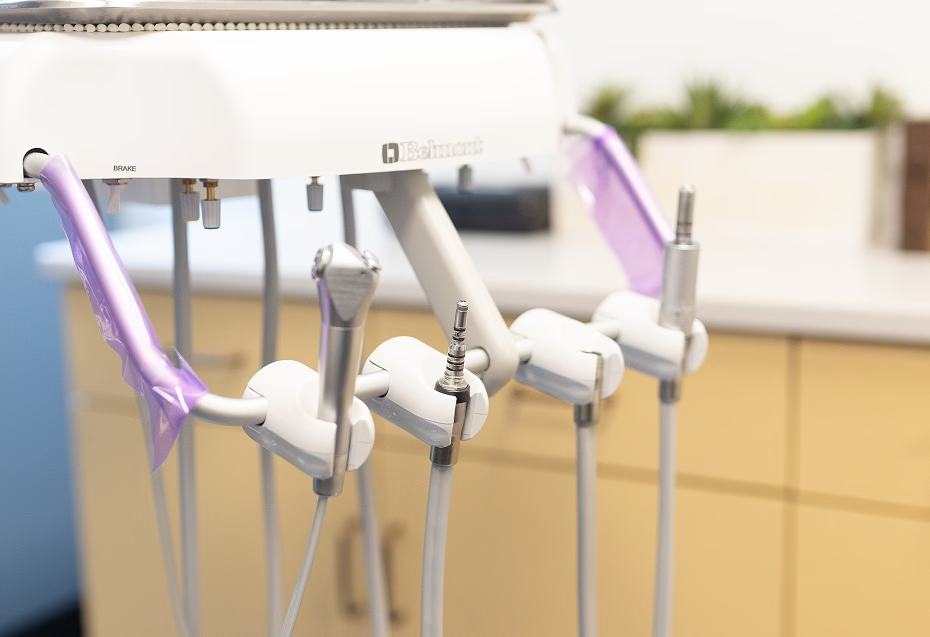
Intended for patients with generally healthy gums and no active periodontal disease. Typically includes:
A deeper nonsurgical treatment for patients with periodontal disease and buildup beneath the gumline. May include:
Note: A routine cleaning cannot replace periodontal treatment when deeper pockets, bone loss, or active disease are present.
Gum disease doesn’t always cause noticeable symptoms early on — so it’s worth booking at the first sign of change rather than waiting for discomfort. Healthy gums shouldn’t bleed regularly — even mild symptoms are worth a check.
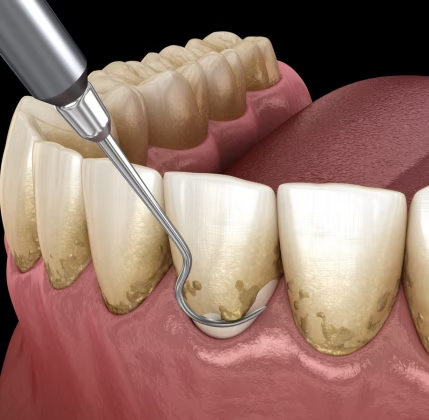
Plaque and tartar are the leading cause, but health, lifestyle, and genetic factors also play a role. Having a risk factor doesn’t mean disease is inevitable — just that closer monitoring may help.
Risk factors may include:
The cost of periodontal care depends on the type and extent of treatment needed, how many areas are affected, and whether additional imaging or specialist care is recommended. Dental insurance may provide benefits for periodontal treatment, but deductibles, frequency restrictions, and coverage percentages vary by plan.
After active treatment, ongoing maintenance helps control buildup and monitor your gums long-term. These visits go beyond a routine cleaning — including periodontal measurements, bone-loss monitoring, and updated X-rays when needed.
Many patients benefit from more frequent visits than the standard six-month schedule. The right interval depends on disease severity, treatment response, and how quickly buildup returns.
Modern dental care with a calm, transparent, family-first approach. Every detail is designed to help you feel confident, comfortable, and cared for.

Periodontal disease is an infection and inflammatory condition affecting the gums and tissues supporting the teeth. More advanced disease can damage the supporting bone and contribute to tooth loss.
Gingivitis can often be reversed with professional care and consistent daily oral hygiene. Once periodontitis has caused permanent damage to the supporting bone and tissues, treatment focuses on controlling infection, reducing inflammation, slowing progression, and helping you maintain your teeth — long-term consistency with maintenance visits and home care is essential.
Scaling and root planing is a nonsurgical deep-cleaning procedure that removes plaque, tartar, and bacterial deposits from beneath the gumline and along tooth-root surfaces.
Treatment time depends on the number of affected areas and the severity of the condition. Care may be completed in one appointment or divided into multiple visits.
Local anesthetic may be used to improve comfort. Some tenderness or sensitivity may occur afterward while the gums heal.
Your gums may feel tender or sensitive for a short period, with mild bleeding, temperature sensitivity, or discomfort while the tissues heal — brush gently, avoid tobacco, choose softer foods if needed, and attend your follow-up appointment. Contact Harbor Dental if you experience significant or worsening swelling, severe or persistent pain, bleeding that does not slow, fever or signs of infection, or an unexpected medication reaction.
The schedule varies based on disease severity, treatment response, risk factors, and how quickly buildup returns. Many patients need visits more frequently than every six months.
Periodontal disease can become active again if bacterial buildup and risk factors aren’t controlled, so ongoing maintenance and home care are important. Treatment can reduce inflammation and improve gum health, but lost gum tissue does not usually regrow naturally — a specialist may recommend additional treatment for certain recession concerns.
A periodontist is a dentist with advanced training in diagnosing and treating gum disease and conditions affecting the supporting structures around the teeth. Harbor Dental may recommend specialist care for advanced periodontal disease, significant bone loss, rapidly progressing disease, persistent deep pockets after treatment, loose or shifting teeth, complex gum recession, periodontal surgery, or implant-related concerns. A referral doesn’t mean your general dental care ends at Harbor Dental — when appropriate, we coordinate with the specialist to support continuity of care.
Yes. Harbor Dental welcomes new patients in Fort Collins. An evaluation is needed to determine the appropriate type of periodontal care.
Whether you have bleeding gums, have been told you need a deep cleaning, or need ongoing periodontal maintenance, Harbor Dental is ready to help you understand your gum health and move forward with confidence.