
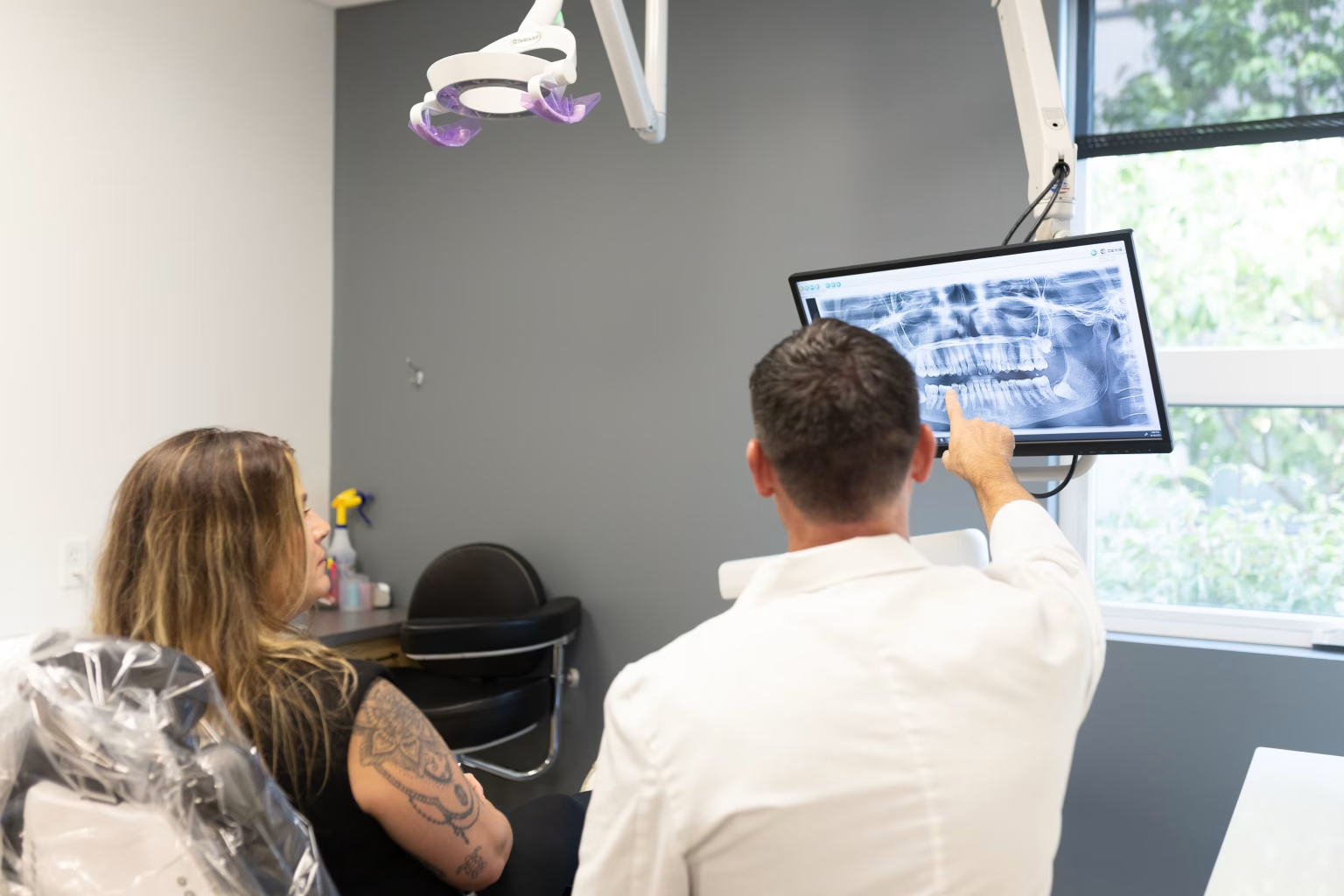
Comprehensive Dental Examination
Including digital X-rays and 3D imaging when needed
Greater Stability. Renewed Everyday Confidence.
Loose or shifting dentures can make eating, speaking, and smiling feel less predictable. Harbor Dental offers personalized implant-supported denture care designed to improve stability, restore function, and create a more secure tooth-replacement experience.
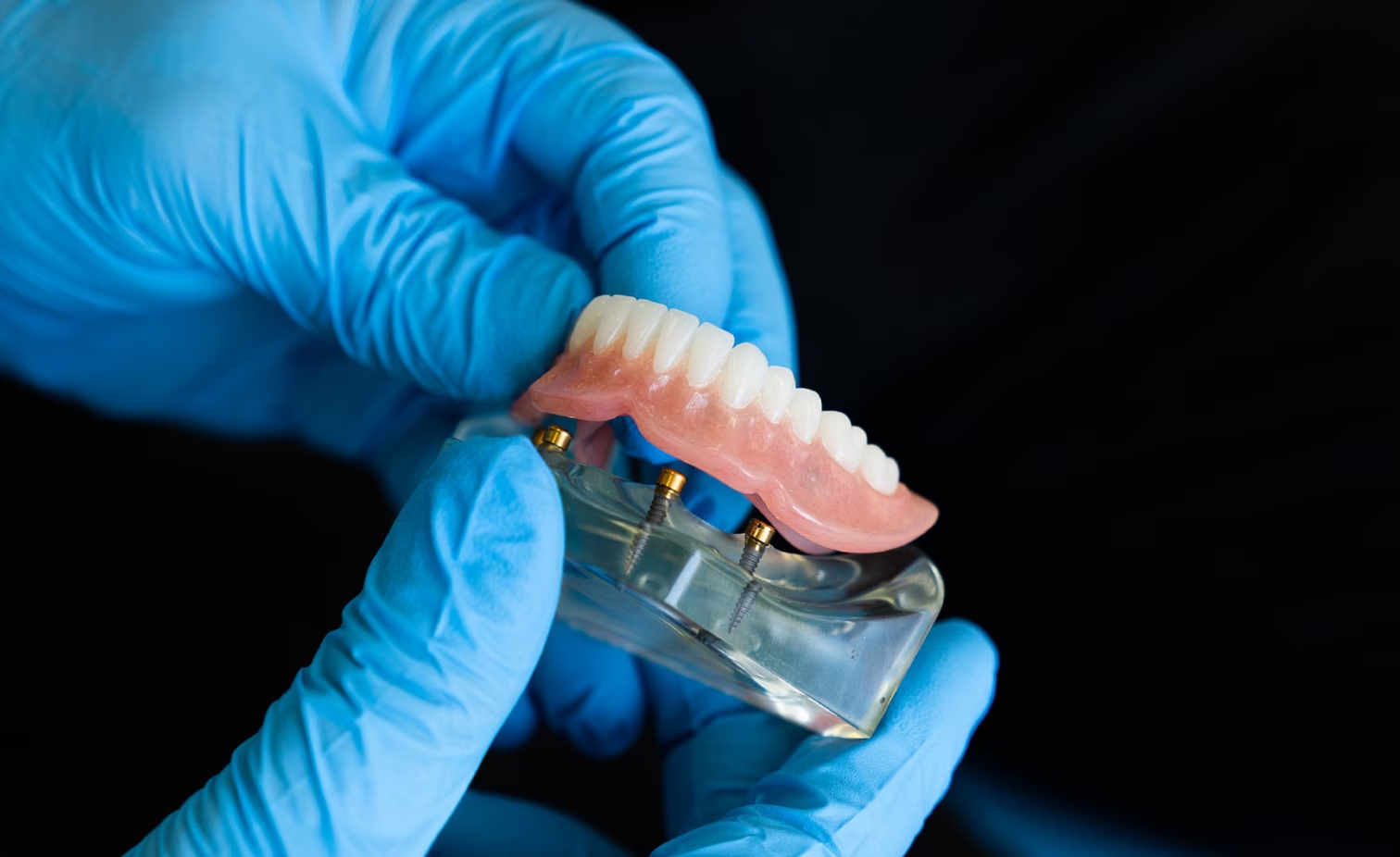
Implant-supported dentures use implants placed in the jaw to help retain or support a full or partial denture. Unlike a conventional denture that relies primarily on the gums, suction, and adhesive, this restoration connects to implants for additional stability — helpful for a loose lower denture, frequent adhesive use, or reduced chewing confidence. This treatment isn’t right for every patient; your dentist will evaluate your oral health, available bone, and goals before recommending care.

Implant attachments can help reduce shifting and movement during everyday use.
Greater stability may make eating and speaking feel more comfortable and predictable.

Replaces missing teeth and may also restore support for the lips and cheeks
Bring your existing denture to the consultation, even if it’s loose or uncomfortable — it provides useful information about tooth position and previous treatment.
The right design depends on the number and position of implants, available bone, restorative space, cleaning ability, and budget.

Connects to implant attachments and can be taken out by the patient for daily cleaning — sometimes called a snap-in or implant-retained overdenture.
A full-arch restoration secured to implants and not removed by the patient; requires professional maintenance to clean, examine, and service.
In selected cases, implants may provide additional retention or support for a partial denture when some natural teeth remain.
The choice between removable and fixed depends on anatomy, implant support, dexterity, hygiene ability, cost, and personal preference — “fixed” doesn’t mean maintenance-free, since both designs require daily cleaning and professional monitoring.
Stability depends on more than the implants alone — implant position, denture design, tooth arrangement, and bite all affect how the restoration performs during speaking and chewing. Your dentist may consider jaw relationships, the number and position of implants, and existing grinding or clenching habits.
A protective night guard or other bite-management strategy may be recommended when grinding or clenching could place the implants or restoration under excessive force.
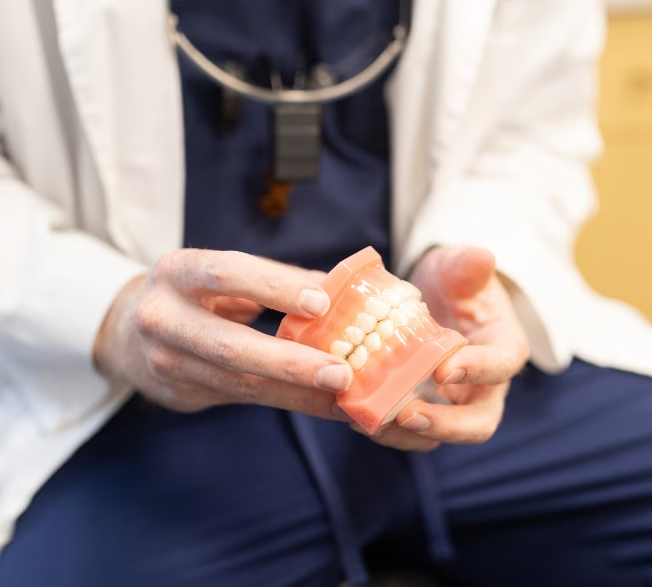
Brush the restoration and gumline daily, and clean around every implant attachment using floss threaders, interdental brushes, or a water flosser as recommended. Remove and clean removable dentures daily, or clean carefully beneath a fixed restoration. Avoid smoking and don’t chew ice or hard objects — contact the office if the denture feels loose or you notice bleeding, swelling, or odor. The American College of Prosthodontists recommends basing maintenance frequency on your individual risk, with some full-arch implant patients needing visits every two to six months.
Pricing depends on the number of implants, restoration design, materials, imaging, and any bone grafting or extractions needed. Dental insurance may provide partial benefits for certain treatment stages, though annual maximums, waiting periods, and implant limitations vary widely — our team can help estimate expected out-of-pocket costs.
Modern dental care with a calm, transparent, family-first approach. Every detail is designed to help you feel confident, comfortable, and cared for.
It’s a full or partial denture that connects to dental implants for greater support than a conventional denture, which primarily rests on the gums. “Snap-in” dentures are one type — removable, implant-retained dentures that connect to attachments on the implants. Some designs are removable by the patient, while fixed designs remain attached and can only be removed by a dental professional.
The number depends on the arch, available bone, restoration design, and treatment goals — there’s no single number appropriate for every patient. Implant dentures can replace all teeth in the upper arch, lower arch, or both when you’re an appropriate candidate.
They may feel more stable than conventional dentures, though they don’t reproduce the exact sensation of natural teeth. Many patients experience improved chewing stability, but food choices and chewing technique may still need adjusting. Implant-retained dentures generally rely on implant attachments for support rather than adhesive, though individual recommendations vary.
A temporary denture or provisional restoration may be available, depending on your treatment plan and implant stability.
Not every patient needs a graft — imaging helps determine whether sufficient bone is available for the planned implants. Grafting, extractions, or periodontal treatment may be recommended before or during implant placement when needed.
The implant-placement area is numbed before surgery, and temporary swelling, soreness, or bruising is common afterward. Contact Harbor Dental if you experience severe or worsening pain, rapidly increasing swelling, heavy or persistent bleeding, fever or signs of infection, difficulty breathing or swallowing, or a loose implant component.
For removable dentures, remove and clean it daily while also brushing the gums, tongue, and implant attachments. For fixed restorations, special floss, interdental brushes, or water flossers may be recommended to clean beneath and around it.
Yes to both — teeth, denture bases, attachment components, and framework materials can wear, loosen, chip, or fracture, and attachment inserts may need periodic replacement. Implants themselves can fail due to infection, impaired healing, tobacco use, bone loss, or excessive bite forces.
Yes. Harbor Dental welcomes new patients in Fort Collins for implant-supported denture consultations.
Whether your current denture feels loose, you’re preparing for full-arch tooth replacement, or you want to compare removable and fixed implant options, Harbor Dental can help you understand the next step.