
Comprehensive Dental Examination
Including a review of any pain, pressure, or swelling you’ve noticed.

Watching Ahead. Removing Problems Before They Start.
Wisdom teeth often don’t have room to erupt properly, which can lead to pain, infection, or damage to nearby teeth. Harbor Dental monitors wisdom tooth development through X-rays in our teenage patients and provides personalized removal when it’s the right call for your smile.
Wisdom teeth, also known as third molars, are the last teeth to erupt in the mouth, typically between ages 17 and 25. We watch their formation in the X-rays we take of our teenage patients — if there’s cause for concern, we may recommend extracting them before problems can even develop. It’s also easier to remove wisdom teeth in younger patients, before the roots fully form, with faster healing as a result.
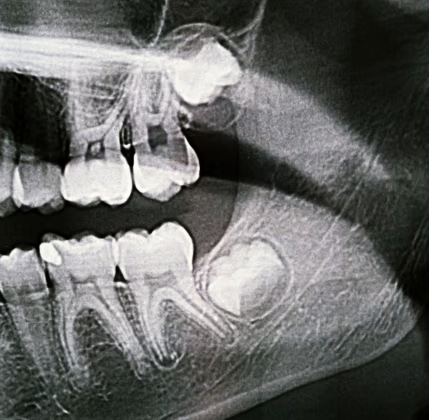
Proactive monitoring lets us catch potential problems while they’re still simple to address.
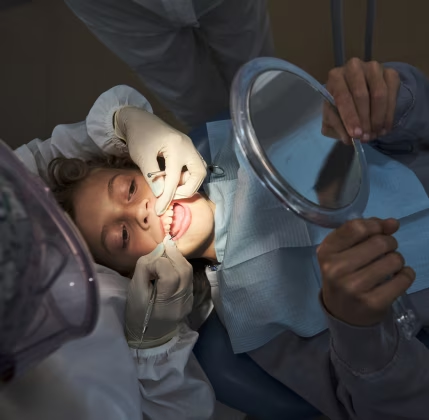
Removal is often more straightforward and recovery quicker before the roots fully develop.
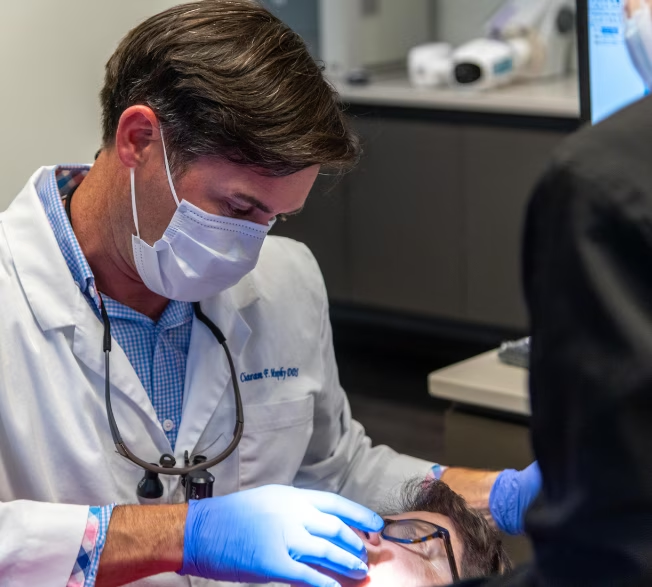
Treatment depends on how each tooth is positioned, so your plan is built around your own X-rays.
If you’re experiencing pain that may be related to your wisdom teeth, don’t wait for your next routine visit — schedule an evaluation.
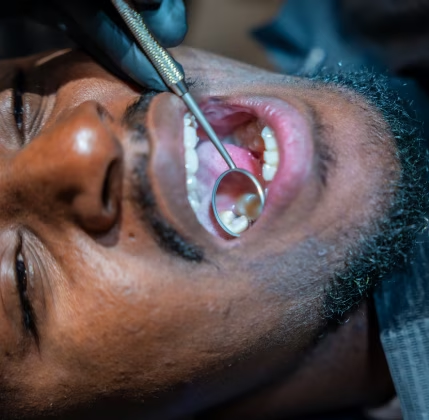
The way we remove a wisdom tooth depends on its positioning — our approach varies based on each individual situation.
A tooth that has come through the gum can be removed the same way we’d remove any other tooth.
Part of the tooth remains trapped within the jawbone or gums, which can trap food and bacteria.
The tooth remains fully trapped beneath the gum or bone and requires a more tailored surgical approach.
When there isn’t enough space for wisdom teeth to erupt properly, they can become impacted — remaining fully or partially trapped within the jawbone or gums.
You may benefit from an evaluation if you:

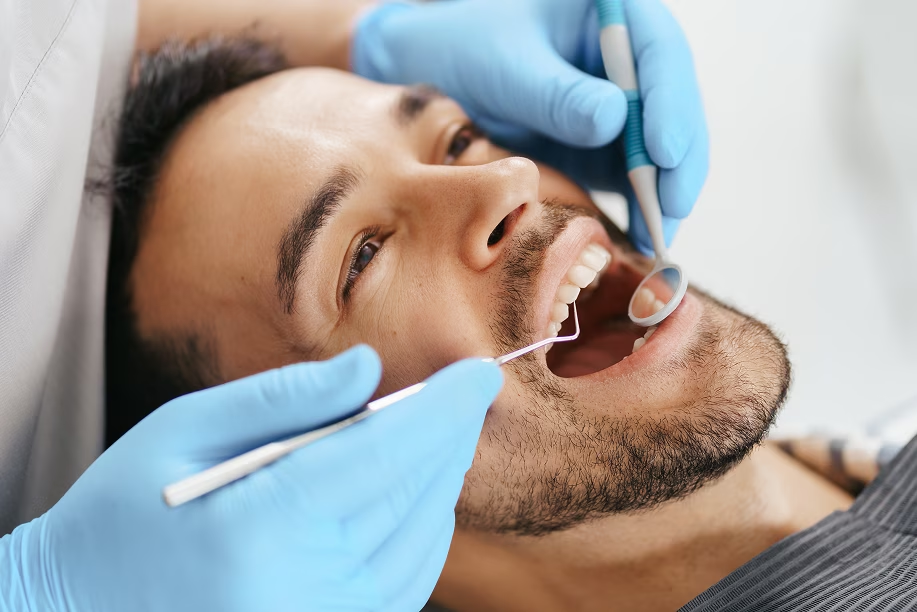
When wisdom teeth become impacted, it can lead to a variety of problems — including pain, infection, damage to adjacent teeth, cysts, and even systemic issues if infection spreads. Left in place, problematic wisdom teeth can also contribute to chronic infections, gum disease around neighboring teeth, tooth decay, and crowding over time.
Staying alert to symptoms like pain, swelling, or shifting teeth — and responding quickly — helps protect your smile and overall health.
Pricing depends on the number of teeth removed, the degree of impaction, and imaging required. Dental insurance may provide partial benefits for medically necessary wisdom teeth removal, though coverage varies — our team can help estimate expected out-of-pocket costs.
It’s normal to experience some discomfort, swelling, and bruising after extraction. Ice packs and over-the-counter pain relievers can help manage these symptoms, and you’ll be advised to stick to a soft diet for a few days while avoiding strenuous activity. Keep up with your regular oral hygiene during recovery, but avoid brushing directly over the extraction site for the first 24 hours.

Modern dental care with a calm, transparent, family-first approach. Every detail is designed to help you feel confident, comfortable, and cared for.

Wisdom teeth, or third molars, are the last teeth to emerge in the mouth, typically between ages 17 and 25. We monitor their development using X-rays in our teenage patients to evaluate whether removal may be recommended — it’s often easier and less complicated to remove them before the roots fully form and while healing is quicker.
When there isn’t enough space for them to erupt properly, wisdom teeth can become impacted and lead to pain, infection, damage to adjacent teeth, or cysts. Early removal can help prevent these issues from developing or worsening.
The treatment plan depends on how the tooth is positioned. Fully erupted teeth may be removed like a standard extraction, while impacted or incorrectly positioned teeth involve additional steps based on your individual situation and imaging.
Yes — removing wisdom teeth while a patient is younger and the roots haven’t fully formed tends to lead to faster healing and fewer complications. For older patients, the procedure can be more involved and recovery may take longer due to more developed roots and denser bone.
If problematic wisdom teeth are left in place, they can contribute to chronic infections, gum disease around adjacent teeth, tooth decay, crowding, cysts, and in some cases systemic spread of infection. Regular monitoring via X-rays and check-ups helps catch early signs of trouble before they become serious.
The treatment area is numbed before the procedure, and some discomfort, swelling, and bruising afterward is normal — manageable with ice packs and over-the-counter pain relievers as advised.
This depends on the anesthesia or sedation used for your procedure, which will be explained before treatment.
Most patients feel noticeably better within a few days, following a soft diet and avoiding strenuous activity during that time — though full healing takes a bit longer.
Yes. Regular X-rays and check-ups let us catch signs of impaction, crowding, or other issues early, often before you’d notice symptoms yourself.
Yes. Harbor Dental welcomes new patients in Fort Collins for wisdom teeth evaluations and removal planning.
Whether you’re experiencing discomfort from your wisdom teeth or it’s time for a teenager’s evaluation, Harbor Dental is here to guide you through the process with clear, supportive care.