
Sleep Apnea Risk Assessment
We start by evaluating your symptoms and risk factors.
Rest Easier. Breathe Better.
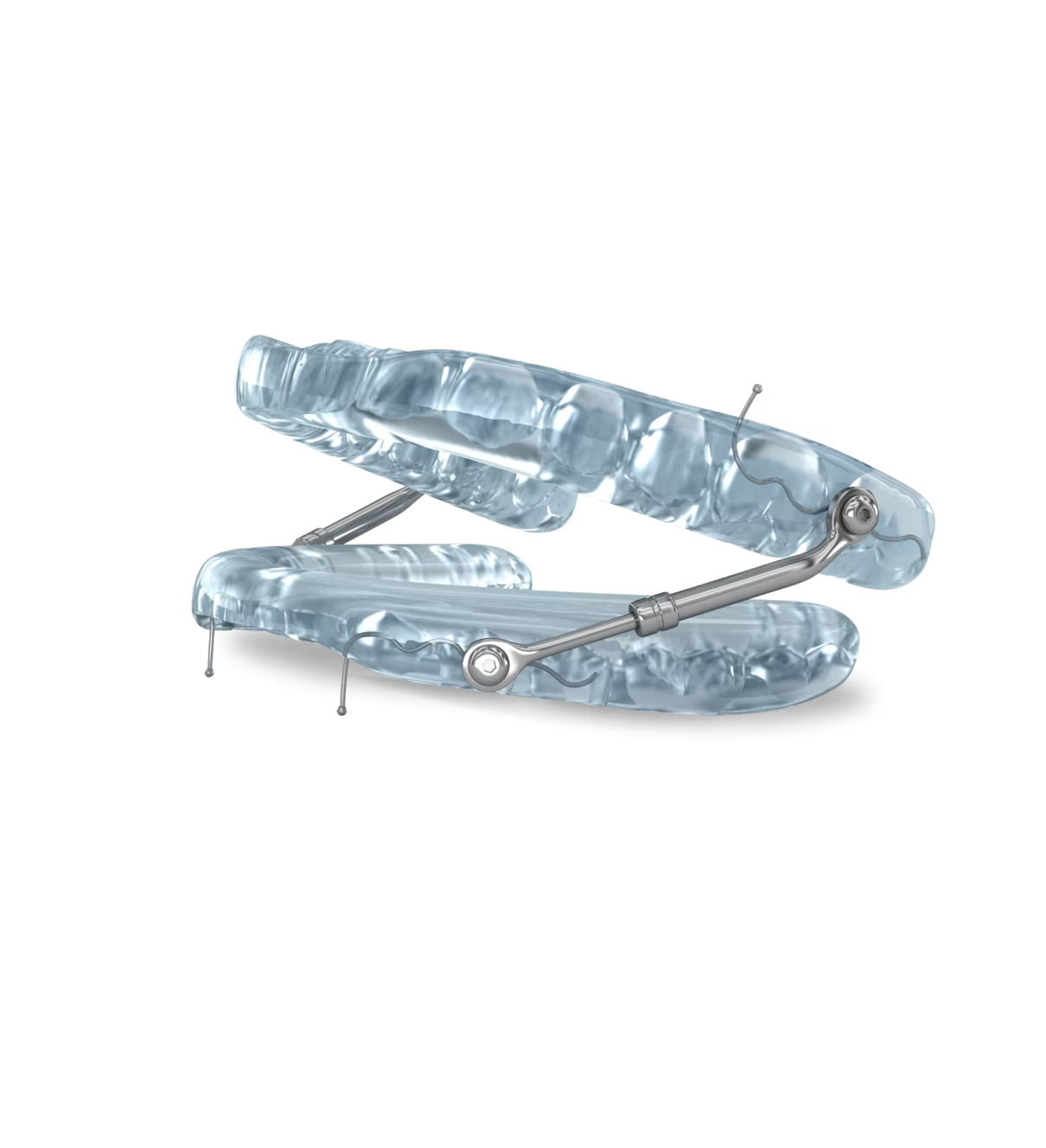
Sleep apnea occurs when muscles relax during sleep, causing soft tissues in your throat to collapse and block your airway — reducing oxygen levels and disrupting your rest. If you have obstructive sleep apnea or snore, Harbor Dental offers a custom oral appliance designed to help.
Sleep apnea is a common sleep disorder involving repeated interruptions in breathing during sleep — pauses that can last several seconds to minutes and occur hundreds of times a night. Common symptoms include loud snoring, excessive daytime sleepiness, morning headaches, and difficulty concentrating. Left untreated, it can affect far more than how rested you feel.
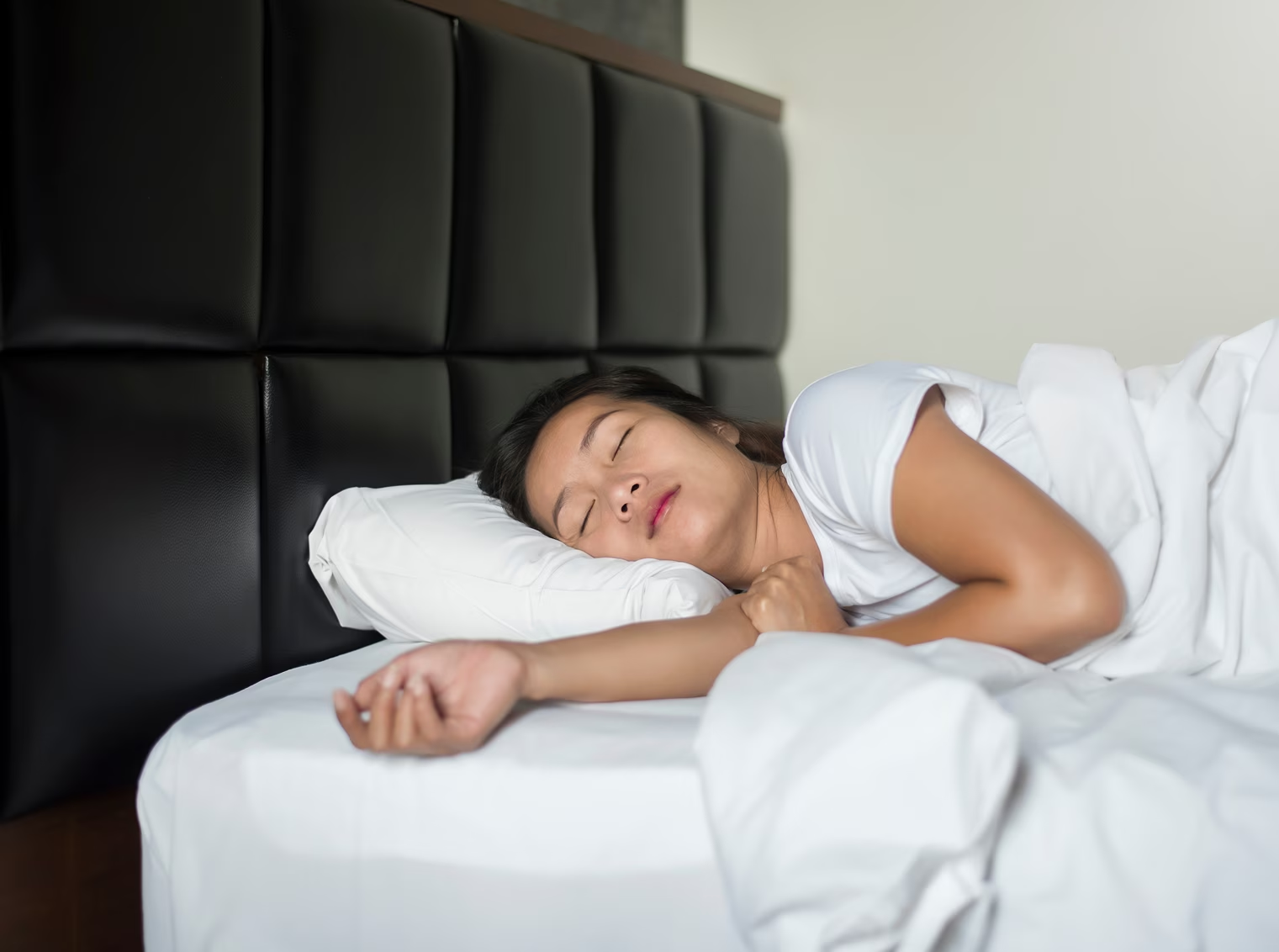
Keeping the airway open during sleep can reduce the interruptions that leave you feeling fatigued.
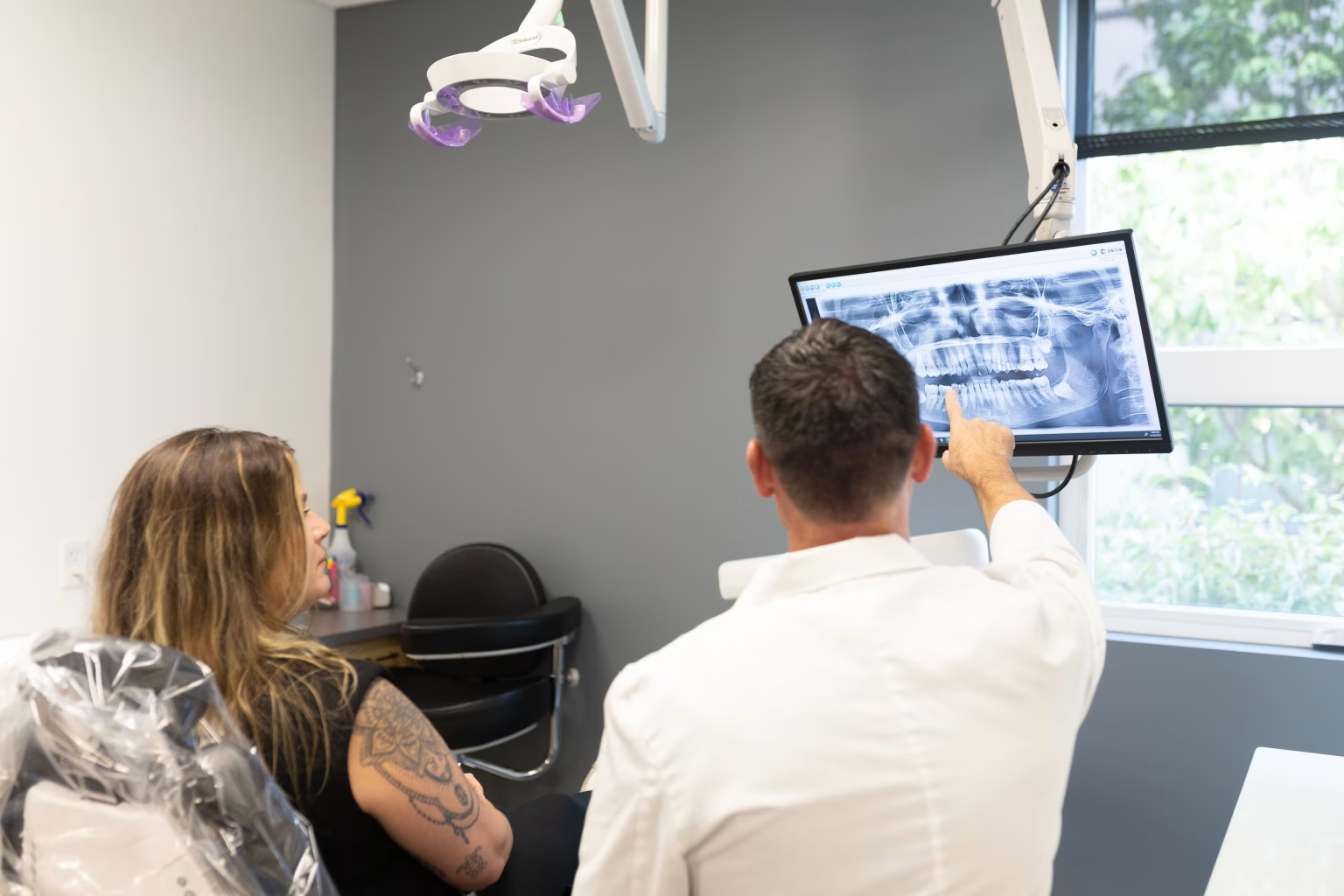
Treating sleep apnea may help lower the risk of complications linked to untreated cases.

A custom oral appliance offers a smaller, travel-friendly option for patients who can’t tolerate a CPAP mask.

The most common form, occurring when throat muscles relax and block the airway during sleep.
Occurs when the brain fails to send appropriate signals to the muscles that control breathing.
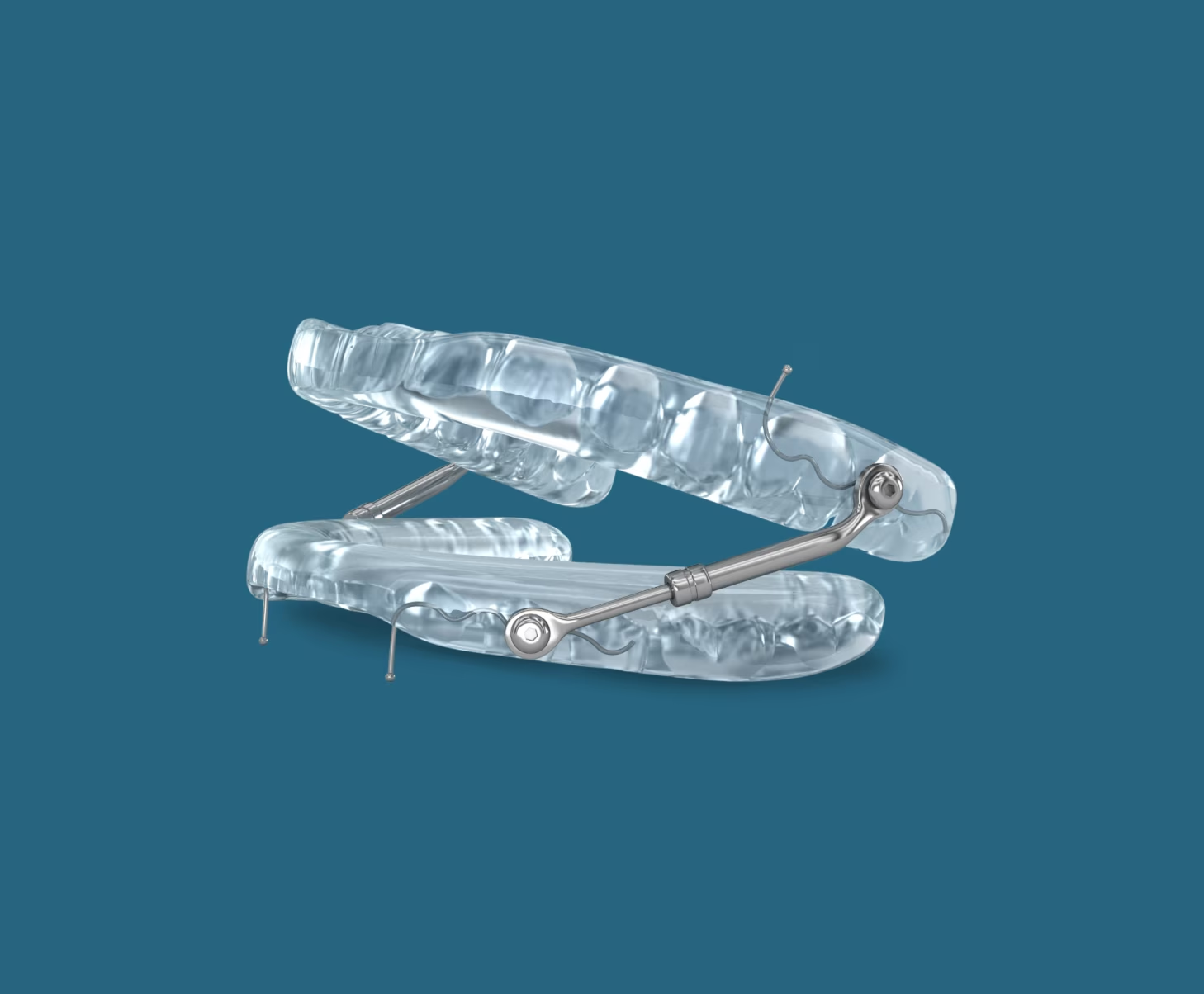
Our oral appliance fits like a custom orthodontic retainer, with two pieces over your upper and lower teeth connected by hinges — supporting your jaw in a position that keeps your airway open, while still letting you open and close your mouth, unlike devices that lock your jaw in place.
Oral appliances are most effective for mild to moderate obstructive sleep apnea and may not fully treat severe cases — we’ll help you understand whether this is the right fit based on your risk assessment and any sleep study results.
You may benefit from a consultation if you:
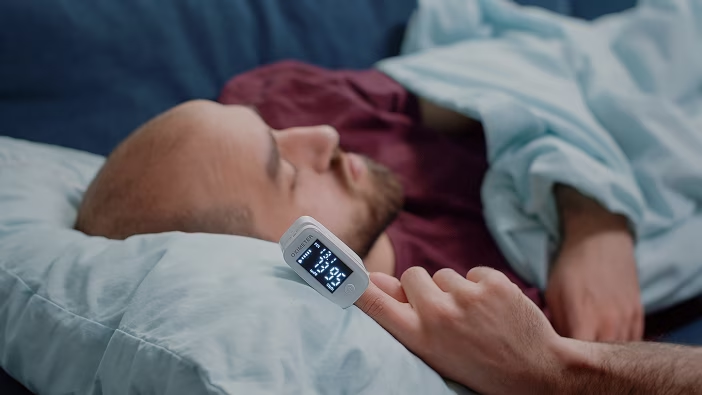
Risk factors for sleep apnea include male gender, obesity, age over 40, a large neck circumference, nasal congestion, allergies, and a family history of the condition.
Left untreated, sleep apnea can contribute to high blood pressure, heart problems, stroke, and a diminished quality of life — beyond just feeling tired, it’s worth taking seriously.
Pricing depends on the appliance design, diagnostic evaluation, and whether a sleep study is required. Dental insurance and medical insurance may both play a role in coverage depending on your diagnosis — our team can help you understand your options and estimated costs.
You’ll receive specific wearing and cleaning instructions at your fitting appointment. In general, rinse the appliance after use, clean it regularly as directed, and store it in a protective case when not in use. Attend your follow-up visits so we can fine-tune the fit and confirm the therapy is working effectively for you.
Modern dental care with a calm, transparent, family-first approach. Every detail is designed to help you feel confident, comfortable, and cared for.
Sleep apnea occurs when throat muscles relax during sleep, blocking or narrowing the airway, reducing oxygen levels, and repeatedly interrupting your rest. Common symptoms include loud snoring, daytime fatigue, morning headaches, and difficulty focusing — and left untreated, it can increase the risk of heart disease, high blood pressure, and stroke.
Factors that increase the likelihood of sleep apnea include age over 40, obesity, nasal congestion, alcohol use, a large neck circumference, and family history. Men are statistically more likely to develop it, though it can affect anyone.
We can provide a custom oral appliance designed to reposition your jaw slightly forward during sleep, keeping your airway open and reducing snoring or breathing pauses. It’s a non-invasive option created from detailed scans or impressions, often preferred by patients who can’t tolerate CPAP machines.
The process starts with a risk assessment, followed by a referral for a sleep study if needed to confirm your diagnosis. Once approved for an oral appliance, we take digital scans or impressions to create your custom device, then provide fitting instructions and schedule follow-up visits to fine-tune comfort and effectiveness.
Benefits include improved sleep quality, reduced snoring, better oxygen flow, and a comfortable, mask-free alternative to CPAP — the devices are small, portable, and easy to maintain. The main limitation is that they’re most effective for mild to moderate obstructive sleep apnea and may not fully treat severe cases.
Most patients adjust within the first few nights. Because the appliance still allows you to open and close your mouth, it tends to feel less restrictive than devices that lock the jaw in a fixed position.
If your risk assessment suggests you may have sleep apnea, we’ll typically recommend a sleep study with a specialist first to confirm the diagnosis and its severity before moving forward with an appliance.
You’ll receive specific cleaning instructions at your fitting appointment — generally, rinsing after use and cleaning it regularly helps keep it in good condition between checkups.
Neither is universally better — CPAP is often more effective for severe cases, while an oral appliance may be preferred by patients with mild to moderate OSA or difficulty tolerating a CPAP mask. Your dentist and physician can help you decide together.
Yes. Harbor Dental welcomes new patients in Fort Collins for sleep apnea consultations and oral appliance therap
If you suspect you have sleep apnea or are experiencing symptoms like snoring, daytime fatigue, or morning headaches, Harbor Dental can help you explore whether a custom oral appliance is right for you.